Category: blog

  • The Role of Carlyle Compressors in Marine HVAC & Refrigeration Systems

    The Role of Carlyle Compressors in Marine HVAC & Refrigeration Systems

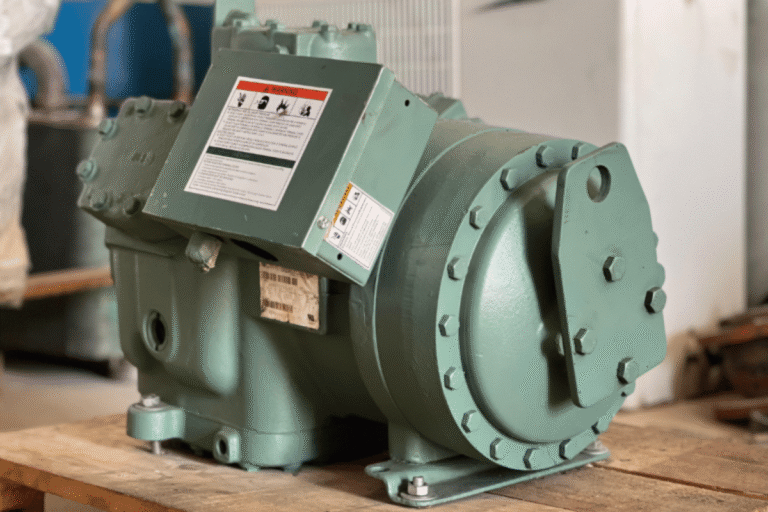
    Marine HVAC & refrigeration systems operate under demanding conditions, requiring robust and reliable components. Among these, the compressor stands out as a critical element. Carlyle compressors have long been recognized for their durability and performance in these challenging maritime environments. At VesselTech Chillers, we understand the importance of keeping these essential systems running smoothly, and we specialize in providing comprehensive support, including Carlyle compressor spare parts, to ensure your vessel’s climate control and refrigeration needs are met.

    Why Carlyle Compressors are Favored in Marine Applications

    Several factors contribute to the widespread use of Carlyle compressors in marine settings:

    • Robust Design: Carlyle compressors are engineered to withstand the constant vibrations and stresses inherent in shipboard operations.
    • Efficient Performance: They offer efficient cooling and refrigeration, crucial for preserving perishable goods, maintaining comfortable living spaces, and supporting sensitive equipment.
    • Wide Range of Models: Carlyle offers a diverse range of compressors, allowing for tailored solutions to match specific vessel sizes and cooling requirements.
    • Global Availability of Parts: While reliability is a hallmark, any mechanical component can require maintenance. The readily available supply of Carlyle compressor spare parts minimizes downtime.

    Common Applications in Marine Environments

    Carlyle compressors play a vital role in various onboard systems:

    • HVAC Systems: Maintaining comfortable temperatures for passengers and crew, particularly in extreme climates.
    • Refrigeration: Preserving food supplies is critical for extended voyages.
    • Specialized Cooling: Supporting sensitive equipment in engine rooms, control centers, and research labs.
    • Reefer Containers: Maintaining precise temperatures for cargo transportation.

    Maintaining Carlyle Compressors: A Proactive Approach

    While Carlyle compressors are known for their durability, regular maintenance is crucial to maximize their lifespan and performance. Key maintenance practices include:

    • Regular Inspections: Checking for leaks, unusual noises, and proper operating temperatures.
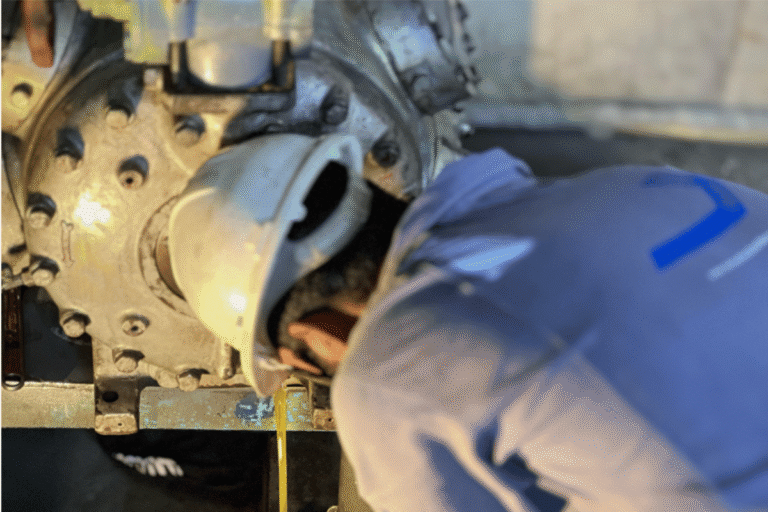
    • Oil Analysis: Monitoring oil condition to detect signs of contamination or wear.
    • Filter Replacements: Ensuring clean refrigerant and oil flow.
    • Preventative Overhauls: Replacing worn components before they lead to major failures.

    The Importance of Genuine Carlyle Compressor Spare Parts

    When maintenance or repairs are required, using genuine Carlyle compressor spare parts is essential. These parts are manufactured to the exact specifications of the original components, ensuring proper fit, function, and performance. Using non-genuine parts can compromise system efficiency, reliability, and longevity.

    At VesselTech Chillers, we maintain a comprehensive inventory of genuine Carlyle compressor spare parts to meet our clients’ needs. We understand the urgency of marine repairs and offer prompt delivery to minimize downtime.

    VesselTech Chillers: Your Partner for Carlyle Compressor Support

    As specialists in marine HVAC & refrigeration, we offer a full range of services to support your Carlyle compressor systems:

    • Expert Diagnostics: Our technicians have extensive experience in diagnosing and troubleshooting Carlyle compressor issues.
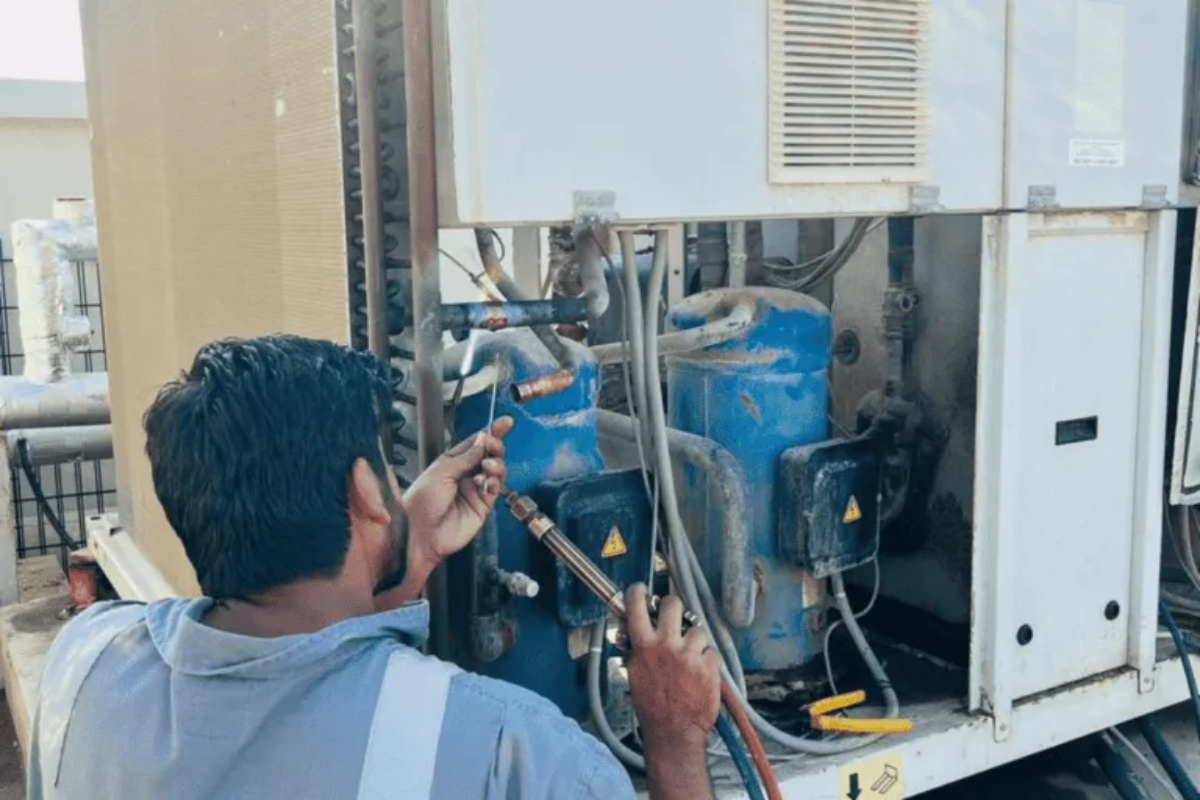
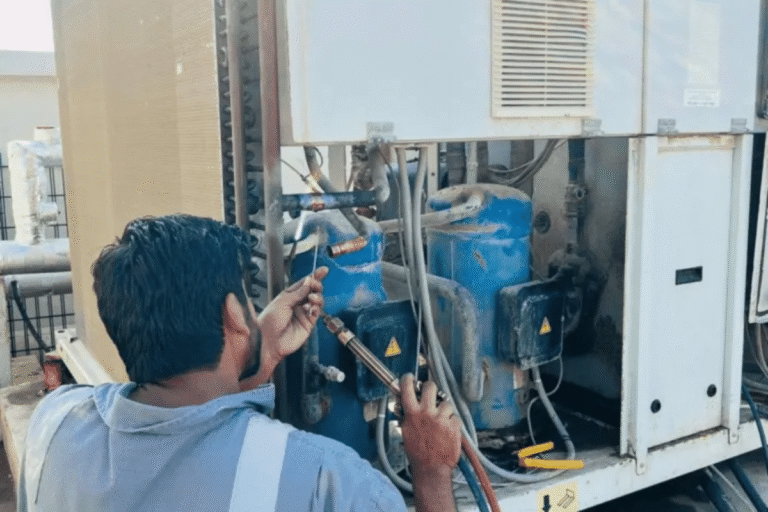
    • Skilled Repairs: We perform repairs to the highest standards, using genuine parts and adhering to best practices.
    • Preventative Maintenance Programs: We develop customized maintenance plans to optimize system performance and prevent costly breakdowns.
    • Genuine Spare Parts Supply: We provide a reliable source for genuine Carlyle compressor spare parts, ensuring quality and compatibility.

    Conclusion

    Carlyle compressors are a workhorse in the marine industry, providing reliable and efficient cooling and refrigeration. Proper maintenance, timely repairs, and the use of genuine Carlyle compressor spare parts are crucial to maximizing their lifespan and performance. At VesselTech Chillers, we are committed to providing comprehensive support to keep your Carlyle compressor systems running smoothly, ensuring the comfort, safety, and efficiency of your vessel.

  • Common Issues in Industrial Chiller Systems and How to Fix Them

    Common Issues in Industrial Chiller Systems and How to Fix Them

    Industrial chiller systems are the backbone of temperature-sensitive operations across Dubai’s manufacturing, hospitality, and marine sectors. However, harsh climatic conditions and heavy usage often lead to operational challenges. At VesselTech Chillers, we specialize in industrial chiller system repair in Dubai, offering tailored solutions to keep your cooling infrastructure running efficiently. Below, we explore frequent issues and proven fixes to minimize downtime and maximize performance.

    Cooling Inefficiency

    A sudden drop in cooling capacity is one of the most reported issues in industrial chiller systems.

    Causes:

    • Clogged condenser coils due to dust or scale buildup
    • Refrigerant leaks or low levels
    • Faulty compressors or evaporator icing

    Solutions:

    • Regular Cleaning: Schedule quarterly coil cleaning to maintain heat exchange efficiency.
    • Leak Detection: Our technicians use ultrasonic sensors to pinpoint refrigerant leaks and recharge systems with eco-friendly refrigerants.
    • Compressor Diagnostics: Advanced vibration analysis helps identify compressor wear early, preventing catastrophic failures.

    For marine applications, Vessel AC repair requires specialized attention to saltwater corrosion. We use marine-grade coatings and corrosion-resistant components to extend system lifespans.

    Water Leakage

    Water leaks disrupt operations and risk equipment damage.

    Causes:

    • Cracked water tanks or loose pipe connections
    • Worn pump shaft seals
    • Improperly adjusted float valves

    VesselTech’s Approach:

    • Laser Alignment: Ensures pump shafts operate without uneven wear.
    • Pressure Testing: Identifies weak points in piping networks before leaks occur.
    • Float Valve Calibration: Adjusts water levels precisely to prevent overflow.

    Our teams carry replacement seals and gaskets for on-the-spot repairs, minimizing downtime.

    Electrical Faults

    Electrical issues often manifest as tripped breakers or erratic temperature control.

    Causes:

    • Failing capacitors or contactors
    • Voltage fluctuations in Dubai’s power grid
    • Faulty sensors or wiring

    Solutions:

    • Capacitor Testing: Infrared thermography detects overheating components before they fail.
    • Voltage Stabilizers: Install surge protectors to safeguard against grid instability.
    • Sensor Calibration: Recalibrate temperature and pressure sensors annually for accuracy.

    For critical marine systems, we provide waterproof electrical enclosures to protect against humidity and salt spray.

    Unusual Noises

    Grinding, knocking, or buzzing sounds often indicate mechanical stress.

    Causes:

    • Worn bearings in pumps or fans
    • Loose mounting bolts
    • Debris in fan blades

    VesselTech’s Response:

    • Vibration Dampening: Install anti-vibration pads to reduce noise in compact spaces.
    • Lubrication Programs: Use high-temperature greases to extend bearing life.
    • Real-Time Monitoring: IoT-enabled sensors alert teams to abnormal vibrations before they escalate.

    Why Choose VesselTech for Industrial Chiller System Repair in Dubai?

    • 24/7 Emergency Support: Our rapid-response teams are available even outside work hours.
    • Genuine Parts Inventory: Stock includes OEM compressors, coils, and controls for all major brands.
    • Marine Expertise: Specialized knowledge in Vessel AC repair ensures compliance with maritime safety standards.
    • Preventive Maintenance Plans: Customized schedules reduce repair costs through early fault detection.

    Conclusion

    Proactive maintenance and swift repairs are critical to avoiding costly chiller failures in Dubai’s demanding environments. At VesselTech Chillers, we combine cutting-edge diagnostics with decades of hands-on experience to deliver reliable industrial chiller system repair in Dubai. Whether you operate a shore-based facility or a marine vessel, our solutions ensure optimal cooling performance year-round. Trust us to keep your systems running cooler, longer, and more efficiently.

  • The Importance of Regular Maintenance for Cold Storage Units

    The Importance of Regular Maintenance for Cold Storage Units

    Cold storage facilities are the backbone of various industries, including food, pharmaceuticals, scientific research, and logistics. These specialized environments maintain precise temperatures to preserve perishable goods, sensitive materials, and valuable products. However, the reliability of cold storage units depends on consistent and thorough maintenance. Neglecting regular upkeep can lead to costly breakdowns, product spoilage, and even safety hazards.

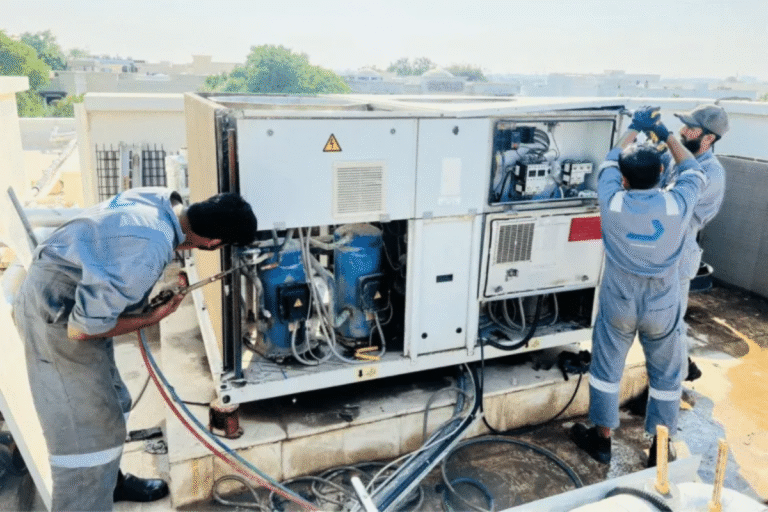
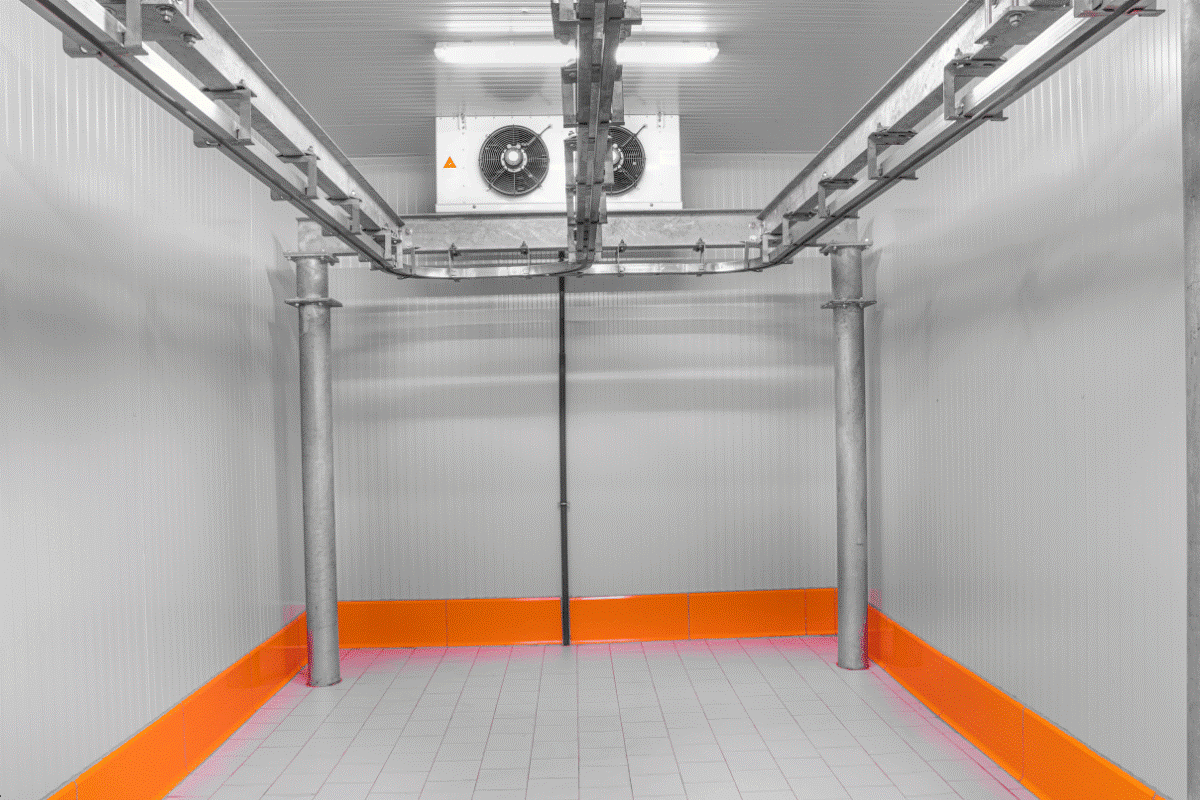
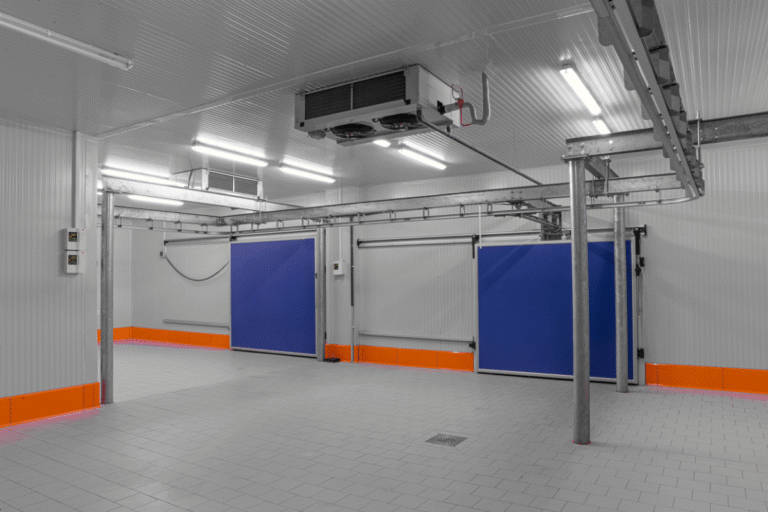
    This is where professional cold storage panel installation and expert cold storage repair in Dubai become essential. Businesses operating in the demanding cold room cooling industries must prioritize the efficiency and durability of their cold storage systems. Vesseltech Chillers provides comprehensive solutions, including high-quality cold storage panel installation and prompt cold storage repair in Dubai. Whether performing critical repairs or executing meticulous installations, Vesseltech Chillers is a trusted partner in the cold room cooling industries, ensuring smooth operations and long-lasting performance. With our commitment to seamless service, we understand the importance of timely cold storage repair in Dubai and superior cold storage panel installation to maintain efficiency in the cold room cooling industry.

    Why Regular Maintenance is Essential

    Ensuring Product Integrity
    The primary function of a cold storage unit is to maintain a stable and consistent temperature. Even minor fluctuations can compromise the quality and safety of stored goods. Routine maintenance helps detect and resolve potential temperature control issues before they escalate. In industries like food and pharmaceuticals, any deviation in temperature can render products unusable or even hazardous. Regular inspections ensure compliance with strict industry regulations and quality standards.

    Preventing Costly Breakdowns
    Proactive maintenance helps identify worn-out components before they fail, reducing the likelihood of unexpected breakdowns. Downtime in cold storage facilities can lead to significant financial losses due to product spoilage and operational disruptions. Scheduled maintenance minimizes these risks and keeps operations running smoothly.

    Maximizing Energy Efficiency
    Cold storage units are high-energy consumers. Regular servicing helps optimize system performance, reducing energy consumption and operational costs. Proper maintenance extends the lifespan of critical components, preventing unnecessary strain on the system.

    Enhancing Safety
    Refrigerant leaks pose serious health and environmental risks. Routine maintenance helps detect and address leaks promptly, ensuring a safe working environment. Additionally, well-functioning doors, emergency systems, and safety mechanisms are crucial for maintaining secure storage conditions.

    Extending Unit Lifespan
    Consistent maintenance ensures cold storage units operate for their intended lifespan. Addressing minor issues early prevents them from escalating into costly repairs or requiring full system replacements. A well-maintained system yields a higher return on investment and sustained efficiency.

    Key Maintenance Tasks

    • Regular Inspections: Conduct routine visual inspections to check for leaks, structural damage, and unusual noises. Monitor refrigerant levels and pressure.
    • Cleaning: Keep condenser coils clean to prevent dust and debris buildup that can hinder heat exchange. Maintain interior cleanliness to uphold hygiene and prevent contamination.
    • Component Checks: Inspect and test sensors, wiring, and control systems. Calibrate temperature controls and sensors to maintain precision.
    • Preventive Maintenance: Schedule periodic professional inspections to assess and optimize system performance, ensuring long-term reliability.

    Peak Performance: Your Cold Storage, Expertly Maintained

    The success of cold room cooling industries relies on both proactive maintenance and immediate repair solutions. To ensure continuous performance, businesses must invest in expert cold storage panel installation and reliable cold storage repair in Dubai. Companies in the cold room cooling industries understand the critical role that high-quality cold storage panel installation and prompt cold storage repair in Dubai play in maintaining efficiency and longevity.

    In the highly competitive cold room cooling industries, partnering with a reputable service provider for installation and repair is crucial. Vesseltech Chillers is your trusted partner for cold storage repair in Dubai and cold storage panel installation, helping businesses maintain uninterrupted operations. Contact us today to stay ahead in the cold room cooling industries and prevent costly disruptions that could compromise your business.

  • Why Regular Inspections Are Crucially Important for Systems of Marine Refrigeration

    Why Regular Inspections Are Crucially Important for Systems of Marine Refrigeration

    Marine refrigeration systems play a vital role in preserving cargo, and provisions, and ensuring the comfort of crew and passengers aboard vessels. Due to the harsh saltwater environment, continuous vibrations, and extended periods at sea, these systems face unique challenges that land-based refrigeration does not encounter. Regular inspections are not just advisable—they are essential for maintaining the efficiency and reliability of marine refrigeration systems.

    To ensure optimal onboard conditions, professional marine HVAC & refrigeration services are a necessity. Vesseltech Chillers specializes in comprehensive marine refrigeration system maintenance and marine air conditioner services, offering expert solutions tailored to the demanding maritime environment. Whether performing routine maintenance or addressing complex repairs, Vesseltech Chillers is a trusted provider of marine HVAC & refrigeration services, ensuring seamless operation and peak performance of your vessel’s refrigeration systems.

    The Unique Complexities of Marine Refrigeration

    Saltwater Corrosion
    The marine environment is highly corrosive, with saltwater rapidly deteriorating metal components. This can lead to leaks, system failures, and costly malfunctions. Regular inspections enable early detection and treatment of corrosion, preventing expensive repairs and unexpected downtime.

    Vibrations and Movement
    Vessels experience constant movement and vibrations, which can weaken connections, damage components, and lead to refrigerant leaks. Frequent inspections ensure that all components are securely installed and capable of withstanding the rigors of marine operations.

    Extended Periods at Sea
    Marine vessels often operate for long stretches without access to onshore repair facilities. Regular inspections are crucial in identifying potential issues before they escalate into serious failures that can be costly and difficult to address while at sea.

    Safety Considerations
    Refrigerant leaks pose significant safety risks, particularly in confined spaces. Routine inspections help maintain the integrity of refrigerant lines and connections, ensuring that all safety measures function properly.

    Regulatory Compliance
    Marine refrigeration systems must adhere to stringent regulations, particularly those governing the storage of perishable goods. Regular inspections help ensure compliance, preventing fines and operational delays.

    Benefits of Regular Inspections

    • Preventing Breakdowns: Identifying and addressing issues early helps avoid costly breakdowns and unexpected downtime.
    • Extending System Lifespan: Timely inspections and maintenance prolong the life of marine refrigeration systems.
    • Improving Energy Efficiency: Regular servicing optimizes performance, reducing operational costs.
    • Ensuring Cargo Integrity: Maintaining proper temperature and humidity levels is critical for vessels transporting perishable goods.
    • Enhancing Crew Comfort: A well-maintained marine air conditioner service ensures a comfortable onboard environment for passengers and crew.
    • Environmental Protection: Routine inspections help detect and repair refrigerant leaks, minimizing environmental impact.

    Key Inspection Points

    • Refrigerant Levels and Pressures: Verify that refrigerant levels and pressures meet manufacturer specifications.
    • Condenser and Evaporator Coils: Clean these components regularly to remove dirt and debris that can reduce heat transfer efficiency.
    • Compressor and Motor: Inspect for wear, damage, or overheating.
    • Electrical Connections: Check for loose, damaged, or corroded wiring.
    • Piping and Insulation: Look for signs of leaks, damage, or corrosion in refrigerant lines and insulation.
    • Control Systems: Test alarms, sensors, and temperature controls to ensure proper functionality.

    Beyond the Waves: Unwavering Marine Refrigeration and HVAC Performance

    The efficiency of marine refrigeration systems, the reliability of marine HVAC & refrigeration services, and the effectiveness of marine air conditioner services are critical to the smooth operation of any vessel. Proper maintenance and routine inspections are non-negotiable to ensure system longevity, energy efficiency, and compliance with safety regulations.

    Vesseltech Chillers is your trusted partner in delivering expert marine HVAC & refrigeration services, ensuring your vessel’s refrigeration and air conditioning systems operate at peak efficiency. Don’t compromise on cargo integrity, crew comfort, or system reliability. Contact Vesseltech Chillers today for professional marine air conditioner services, marine refrigeration system maintenance, and all-encompassing marine HVAC & refrigeration services to keep your vessel running smoothly.

  • Top Signs That Your Bock Compressor Spares Need Replacement

    Top Signs That Your Bock Compressor Spares Need Replacement

    The reliability and efficiency of Bock compressors in refrigeration and air conditioning systems are well known. However, the most durable equipment also needs regular maintenance and periodic part replacements to guarantee the best performance and enhance longevity.

    Maintaining the longevity and best performance of industrial and commercial compressors depends critically on compressor overhauling. As the leading supplier of marine air conditioning and refrigeration services, Vesseltech Chillers is aware of the need for compressor overhauling in the effective running of your equipment. Whether your concerns are wear and tear, lower efficiency, or unplanned breakdowns, prompt compressor overhauling is crucial. During compressor overhauling operations, Vesseltech Chillers makes sure to use the finest quality repairs by using original Bock compressor spares. Our experience is in spotting the underlying cause of problems and implementing effective repairs into place to save downtime and maximize return on your investment. Selecting Vesseltech Chillers for your compressor overhauling requirements will help you know that your equipment is in the hands of experts who will prioritize quality, efficiency, and the usage of the original Bock compressor spare. 

    Some key indicators can indicate it is time to consider replacing certain Bock compressor spares:

    1. Unusual Sounds:

    Listen for any strange sounds coming from your compressor.

    • Rattling or knocking
    • Squealing or groaning
    • Hissing or leaking sounds

    2.Reduced Cooling Capacity:

    If your refrigeration system is not reaching the intended temperatures, it could be an indication that the compressor is having trouble keeping appropriate cooling capacity. This could result from various worn-out valves, piston rings, or internal components.

    3. Increased Energy Consumption:

    If you observe a notable rise in energy usage connected to your refrigeration system, it could indicate that the compressor is working harder than it should. Increased energy consumption can result from ineffective operation caused by worn-out components.

    4. Frequent Cycling:

    If your compressor is regularly turning on and off, it could be having trouble keeping the intended temperature. This can cause premature component wear and tear and can put extra strain on the compressor.

    5. Oil Leaks:

    Visible oil leaks around the compressor can point to issues with gaskets, seals, or other components. Oil leaks can also contaminate the refrigerant and reduce system efficiency.

    6. Increased Vibration:

    If the compressor is vibrating more than normal, it could be a sign of underlying mechanical issues, including bearing wear or imbalance.

    7. High Discharge Temperatures:

    Consistently high discharge temperatures can point to internal component or cooling system issues for the compressor.

    8. Age of the Compressor:

    The compressor’s age can be a factor even with correct maintenance. Some parts have a limited lifetime and need to be replaced after a specified operating hour.

    An Important Note:

    Always replace any Bock compressor spares using original OEM components to guarantee the best performance and compatibility. Using aftermarket components can violate warranties and cause more problems.

    Your Bock compressor’s lifespan can be maximized, and its continuous dependability is guaranteed by closely observing it for these symptoms and quick resolution of any problems. Remember that ideal performance and energy efficiency depend on regular maintenance and timely replacement of parts.

    Conclusion

    Compressor overhauling is essential for maintaining the best performance and longevity of your industrial or commercial compressor. Investing in regular compressor overhauling and using original Bock compressor spares will help you greatly increase efficiency, save energy consumption, and minimize downtime. Vesseltech Chillers is your reliable partner for all your compressor overhauling needs, with its knowledge of marine air conditioning and refrigeration. We exclusively use original Bock compressor spares to guarantee the best quality repairs and maximum dependability of performance.

    Contact Vesseltech Chillers today to schedule your compressor overhauling and experience the difference of working with a team committed to your equipment’s optimal health.

  • Everything You Should Know About Compressor Overhauling

    Everything You Should Know About Compressor Overhauling

    Maintaining the longevity and best performance of industrial and commercial compressors depends critically on compressor overhauling. As the leading supplier of marine air conditioning and refrigeration services, Vesseltech Chillers is aware of the need for compressor overhauling to guarantee the flawless and effective running of your equipment. Whether your concerns are wear and tear, lower efficiency, or unplanned breakdowns, prompt compressor overhauling is crucial. During compressor overhauling operations, Vesseltech Chillers makes sure to use the finest quality repairs by using original Carlyle compressor spare parts. Our experience is in spotting the underlying cause of problems and putting workable fixes into place to save downtime and maximize return on your investment. Selecting Vesseltech Chillers for your compressor overhauling requirements will help you know that your equipment is in the hands of experts who will prioritize quality, efficiency, and the usage of original Carlyle compressor spare parts.

    What is Compressor Overhauling?

    Compressor overhauling is a thorough maintenance operation that comprises disassembling, inspecting, repairing, or replacing worn-out or broken components and reassembling the compressor. It is usually recommended for compressors that are showing symptoms of declining performance or those that have been in operation for several years.

    Process of Compressor Overhauling

    Usually, the compressor overhauling procedure consists of the following steps:

    • Disassembly: Careful disassembly of the compressor allows one to access all of its interior components.
    • Inspection: Every component is looked over for wear, damage, or other indicators of degradation.
    • Cleaning: Cleaning the compressor components helps to eliminate other pollutants, grime, and dirt.
    • Repair or Replacement: Worn or damaged components are either repaired or replaced with fresh or refurbished parts.
    • Reassembly: The compressor is rebuilt to the original specifications.
    • Testing: Rigorously testing the overhaul compressor guarantees that it runs at its best performance level.

    Reasons for Compressor Overhauling

    A compressor may need to be overhauled for numerous reasons, including:

    • Manufacturer’s Recommendations
    • Worn or Damaged Components
    • Malfunction
    • Preventive Maintenance
    • Leakage and wear

    Benefits of Compressor Overhauling

    Having your compressor overhauled brings various advantages, including:

    • Reduced Downtime
    • Improved Efficiency
    • Extended Lifespan
    • Safety
    • Cost-Effectiveness

    When to Consider Compressor Overhauling

    Your compressor could require an overhaul based on several indicators, including:

    • Decreased Performance: If your compressor is not producing less air pressure or flow as it formerly did, then this could mean that it needs an overhaul.
    • Increased Energy Consumption: If your compressor is consuming more energy than it used to, then it could mean that it is not operating efficiently.
    • Unusual Noise: Unexplained noises coming from your compressor—such as knocking, rattling, or squealing—could indicate a problem.
    • Increased Vibration: Your compressor could be experiencing a mechanical issue if it is vibrating more than usual.
    • Oil Leaks: If you see oil leaks around your compressor, then this could indicate a seal or gasket issue.

    If you are experiencing any of these signs, then you should have a skilled technician check your compressor. They can advise the best line of action and ascertain whether an overhaul is required or not.

    Conclusion

    Compressor overhauling is essential for maintaining the best performance and longevity of your industrial or commercial compressor. Using original Carlyle compressor spare parts and making consistent compressor overhaul investments can help you greatly increase efficiency, lower energy usage, and decrease downtime of your compressor. Vesseltech Chillers is your reliable partner for all your compressor overhauling needs, with its knowledge of marine air conditioning and refrigeration. We guarantee the best quality repairs and the most dependable performance by using genuine Carlyle compressor spare parts. Contact Vesseltech Chillers today to schedule your compressor overhauling and experience the difference of working with a team committed to your equipment’s optimal health.

  • Marine Air conditioning repair service in Fujairah

    Marine Air conditioning repair service in Fujairah

    Marine Air conditioning repair service in Fujairah

    Cargo Ship at Miami Harbor - Vessel Tech Chillar

    Marine Air conditioning repair service in Fujairah

    Have you ever imagined enduring a sweltering summer day in Fujairah without a properly  functioning air conditioner? With temperatures often soaring above 40°C, reliable air  conditioning is not just a luxury—it’s a necessity for comfort and well-being.

    Keeping your air conditioning unit in top condition is essential for maintaining a cool and comfortable indoor environment. Professional air conditioning repair services play a crucial role in ensuring your system operates efficiently, especially in Fujairah’s demanding climate.

    The Importance of Regular Marine AC Maintenance in Fujairah

    Climate Consideration: Fujairah’s hot and humid climate puts a significant strain on air conditioning systems, making regular maintenance essential. The relentless heat means that AC units are often running at full capacity, which can lead to wear and tear if not properly maintained. Without regular check-ups, the intense climate can cause systems to overheat, break down more frequently, and ultimately fail when they’re needed the most.


    Energy Efficiency: Regular maintenance is key to ensuring that your air conditioning unit operates efficiently. Over time, dust, dirt, and debris can accumulate in filters and other components, causing the system to work harder to cool your space. This not only reduces the efficiency of the unit but also drives up electricity bills. By scheduling routine maintenance, you can keep your AC running smoothly, reducing energy consumption and saving money in the long run.


    Longevity of AC Units: Consistent servicing is crucial for extending the lifespan of your air conditioning system. Without regular maintenance, minor issues can escalate into major problems that require costly repairs or even a complete replacement of the unit. Routine checks and timely repairs help prevent breakdowns, ensuring that your AC unit remains in optimal condition for many years, even in Fujairah’s challenging climate.

    Common Marine Air Conditioning Issues in Fujairah

    Frequent Problems:
    In Fujairah, air conditioning systems often face several common issues due to the harsh climate and constant usage:


    • Refrigerant Leaks: These are a common problem that can significantly reduce the cooling efficiency of your AC unit. Low refrigerant levels can cause the system to work harder, leading to higher energy consumption and poor cooling performance. If left unchecked, refrigerant leaks can also damage the compressor, one of the most expensive components to replace.

    • Clogged Filters: The dusty environment in Fujairah can lead to filters getting clogged more quickly than in other regions. When filters are blocked, airflow is restricted, causing the AC unit to struggle to maintain the desired temperature. This not only puts extra strain on the system but also increases energy costs and can lead to overheating and system failure.

    • Electrical Failures: Frequent power fluctuations in some areas can cause electrical issues in AC units, such as capacitor failures, blown fuses, or faulty wiring. These electrical problems can prevent the AC from operating correctly, leading to inconsistent cooling or even complete system shutdowns.


    Impact on Comfort and Health:
    These common issues don’t just affect the performance of your air conditioning system—they also have a direct impact on your indoor comfort and health:


    • Reduced Comfort: When your AC isn’t functioning properly due to issues like refrigerant leaks or clogged filters, it struggles to maintain a consistent temperature. This can lead to uneven cooling, where some areas of your home or office remain too warm, compromising your comfort.

    • Poor Air Quality: Clogged filters and refrigerant leaks can lead to poor indoor air quality. When filters are blocked, they fail to capture dust, pollen, and other airborne particles, which then circulate throughout your space. This can exacerbate allergies, asthma, and other respiratory issues. Additionally, a malfunctioning AC can create a breeding ground for mold and mildew, further degrading air quality and posing health risks.

    Benefits of Professional Marine AC Repair Services

    Expertise and Experience:


    Hiring professionals with expertise in air conditioning repair is crucial for several reasons. Certified technicians have the training and experience to handle a wide range of AC brands and models. They are familiar with the latest technology and industry standards, which means they can diagnose and resolve issues more accurately and efficiently. Their knowledge of different systems allows them to address complex problems that may be beyond the scope of a DIY repair. By leveraging their expertise, you ensure that your AC system receives the precise care it needs to function optimally.


    Quality Repairs:
    Professional repair services guarantee that repairs are performed correctly the first time. Skilled technicians use advanced tools and techniques to identify and fix problems, reducing the risk of recurring issues. Quality repairs not only restore your AC to proper working condition but also help prevent future breakdowns. Professionals follow established procedures and safety standards, ensuring that all repairs meet industry best practices and your system operates reliably.


    Warranty Protection:
    Maintaining manufacturer warranties is another significant advantage of professional AC repair services. Many air conditioning units come with warranties that require repairs to be carried out by certified technicians to remain valid. Attempting DIY repairs or using unqualified service providers can void these warranties, potentially leading to costly repairs or replacements that are no longer covered. Professional technicians ensure that all repairs are performed according to the manufacturer’s specifications, preserving your warranty and protecting your investment in the long run.

    Choosing the Right Marine AC Repair Service in Fujairah

    Factors to Consider:


    • Certification: Ensure that the AC repair service is certified by relevant industry organizations. Certification indicates that the technicians have undergone rigorous training and adhere to professional standards.

    • Experience: Look for a company with substantial experience in the field. Experienced technicians are more likely to have encountered a wide range of issues and will be adept at diagnosing and resolving problems efficiently.

    • Customer Reviews: Check online reviews and ratings from previous customers. Positive feedback and high ratings often reflect reliable service and customer satisfaction. Look for comments about the quality of repairs, professionalism, and overall service experience.

    • Availability of Emergency Services: Air conditioning issues can occur unexpectedly, so it’s important to choose a service provider that offers emergency repair services. This ensures that you can get prompt assistance when you need it the most, especially during extreme weather conditions.

    Local Expertise:

    Choosing a service provider familiar with Fujairah’s specific climate challenges offers several advantages:


    • Understanding Local Conditions: A local provider will have a deep understanding of Fujairah’s unique climate conditions, such as high temperatures and humidity levels. This knowledge allows them to tailor their services and recommendations to address issues specific to the region.


    • Familiarity with Common Problems: Local technicians are likely to be familiar with the common problems experienced in Fujairah, such as those caused by dust and heat. This familiarity enables them to quickly identify and fix issues that are prevalent in the area.


    Quick Response Times: A local service provider can offer faster response times due to their proximity. This means quicker service and less downtime for your air conditioning system, which is especially important during hot weather.

    Pros and Cons of DIY Repairs:

    Pros:


    • Cost Savings: Attempting minor repairs yourself can save money on labor costs if you have the necessary skills and tools.

    • Immediate Action: For small issues like changing air filters or cleaning vents, DIY repairs can provide a quick fix without waiting for a technician.

    • Learning Opportunity: DIY repairs can offer valuable hands-on experience and a better understanding of your AC system.


    Cons:


    • Limited Scope: DIY repairs are generally suited for minor maintenance tasks. Complex issues, especially those involving refrigerants or electrical components, may be beyond the scope of DIY fixes.

    • Risk of Mistakes: Incorrect repairs can lead to further damage, potentially making the problem worse and requiring more extensive repairs later.

    Risks of DIY Repairs:

    • Voiding Warranties: Many air conditioning units come with warranties that require repairs to be performed by certified professionals. DIY repairs can void these warranties, leading to out-of-pocket expenses for future repairs or replacements.


    • Potential for Further Damage: Without proper knowledge and tools, attempting to fix complex issues can inadvertently cause additional problems. For example, handling refrigerant incorrectly or making improper electrical connections can damage sensitive components and result in costly repairs.


    • Safety Concerns: Air conditioning systems involve electrical components and refrigerants that can be hazardous if not handled correctly. DIY repairs may pose safety risks, including electrical shocks or exposure to harmful chemicals.

    Why Professionals Are Better:

    • Expertise and Precision: Professional technicians have the training and experience needed to diagnose and repair complex issues accurately. They are skilled in handling various AC brands and models, ensuring that repairs are performed correctly and efficiently.


    • Comprehensive Service: Professionals provide a thorough evaluation of the system, addressing not just the immediate problem but also identifying any underlying issues that could affect performance. This holistic approach helps prevent future problems.


    • Warranty Protection: Using certified professionals for repairs ensures that manufacturer warranties remain intact. This protection is crucial for avoiding unexpected costs and maintaining coverage for future repairs.


    • Safety and Compliance: Professionals adhere to safety standards and regulations, ensuring that repairs are conducted safely and in compliance with industry guidelines. This minimizes the risk of accidents and ensures the system operates safely.

    Seasonal Marine AC Checklists for Fujairah Homes

    Pre-Summer Checklist:


    1. Inspect and Replace Air Filters: Check the air filters for dirt and debris. Replace or clean them if necessary to ensure proper airflow and efficiency.
    2. Clean the Outdoor Unit: Remove any debris, such as leaves and dirt, from around the outdoor condenser unit. Ensure that the unit has at least two feet of clearance on all sides.
    3. Check Refrigerant Levels: Have a professional inspect the refrigerant levels. Low refrigerant can reduce cooling efficiency and strain the system.
    4. Examine Ductwork: Look for any visible signs of damage or leaks in the ductwork. Ensure that all connections are secure and there are no obstructions.
    5. Test the Thermostat: Verify that the thermostat is functioning correctly. Consider upgrading to a programmable or smart thermostat for better control and efficiency.
    6. Clean the Evaporator and Condenser Coils: Dust and dirt can accumulate on these coils, reducing efficiency. Cleaning them helps maintain optimal performance.
    7. Check the Condensate Drain: Ensure that the condensate drain is clear to prevent water damage and mold growth. You can use a mixture of water and vinegar to clean it.
    8. Inspect Electrical Components: Check the electrical connections, including the capacitor and contactor, for any signs of wear or damage. Tighten any loose connections and replace damaged components.
    9. Schedule a Professional Inspection: Arrange for a thorough inspection and maintenance by a professional technician to ensure that your AC system is ready for the summer heat.


    Post-Summer Maintenance:


    1. Clean the Outdoor Unit: Remove any debris that has accumulated around the outdoor condenser unit over the summer. This helps maintain airflow and efficiency.
    2. Check and Replace Air Filters: Inspect the air filters and replace them if they are dirty. Clean or replace them as needed to ensure good air quality.
    3. Inspect Ductwork: Look for any signs of damage or leaks in the ductwork that may have developed during heavy usage. Repair any issues to prevent energy loss.
    4. Clean the Evaporator and Condenser Coils: Dust and dirt can accumulate on the coils over the summer. Cleaning them helps maintain efficiency and prepares the system for the cooler months.
    5. Inspect the Condensate Drain: Ensure that the condensate drain is clear and functioning properly to prevent water damage and mold growth.
    6. Test the Thermostat: Check that the thermostat is working correctly and accurately reflecting indoor temperatures. Consider adjusting settings for cooler weather.
    7. Check Refrigerant Levels: Have a professional inspect the refrigerant levels and system pressure. Address any issues to maintain efficiency and prepare for potential cooler temperatures.
    8. Inspect Electrical Components: Review electrical connections and components for any signs of wear or damage. Replace any faulty parts to ensure reliable performance.
    9. Schedule a Professional Maintenance Check: Arrange for a professional technician to perform a comprehensive inspection and maintenance. This helps ensure the system is prepared for the cooler months and identifies any potential issues before they become major problems.

    Conclusion

    Regular maintenance is vital for your air conditioning system’s performance and longevity, especially in Fujairah’s harsh climate. Professional repair services offer the expertise to manage complex issues, uphold warranties, and deliver high-quality repairs. Selecting a repair service with the right certification, experience, and local knowledge ensures your system gets the best care.

    Address minor issues before they become major problems. Schedule a service or consultation with a trusted local AC repair provider in Fujairah to keep your system running efficiently and your home comfortable year-round.

    FAQs

    • How often should I schedule maintenance for my AC unit in Fujairah?
      It is recommended to schedule professional maintenance at least once a year, ideally before the summer season. Regular maintenance ensures optimal performance and can prevent unexpected breakdowns during peak usage.


    • What are the signs that my AC unit needs repair?
      Common signs include reduced cooling efficiency, strange noises, frequent on/off cycling, uneven cooling, or increased energy bills. If you notice any of these issues, it’s best to contact a professional for an inspection.


    • Can I perform any AC maintenance tasks myself?
      Yes, you can perform basic tasks like changing air filters, cleaning the outdoor unit, and checking for debris. However, for more complex issues such as refrigerant leaks or electrical problems, it’s advisable to hire a professional.


    • How can I improve my AC’s energy efficiency?
      Regular maintenance, cleaning filters, and ensuring proper insulation can improve energy efficiency. Additionally, using a programmable thermostat and sealing any leaks in the ductwork can further enhance efficiency.


    • What should I look for when choosing an AC repair service in Fujairah?
      Look for certification, experience, customer reviews, and the availability of emergency services. Local expertise is also important, as it ensures the provider understands Fujairah’s climate-specific challenges.


    • Will professional repairs affect my AC unit’s warranty?
      Professional repairs typically help maintain your unit’s warranty, provided that the repairs are performed by a certified technician and in accordance with the manufacturer’s guidelines. Always check your warranty terms for specific requirements.


    • How can I prevent future AC problems?
      Regular maintenance, timely repairs, and addressing issues promptly can prevent future problems. Additionally, ensure your AC system is properly sized for your home and avoid overworking it by using it efficiently.


    • What should I do if my AC stops working suddenly?
      First, check if the power supply is functioning and if the thermostat settings are correct. If the issue persists, contact a professional repair service immediately to diagnose and resolve the problem.

  • Understanding Chiller Repair Times: How Long Will It Take? ​

    Understanding Chiller Repair Times: How Long Will It Take? ​

    Understanding Chiller Repair Times: How Long Will It Take?

    HVAC Engineer Dusting Blower Fan - Vessel Tech Chillar

    Understanding Chiller Repair Times: How Long Will It Take?

    Chillers play a critical role in various industries by maintaining essential cooling systems. Whether in manufacturing plants, hospitals, or commercial buildings, these systems ensure that processes and environments remain at optimal temperatures. Given their importance, the timely repair of chillers is crucial to avoid costly downtime and maintain operational efficiency. In this blog, we will explore the duration of chiller repairs and examine the factors that can influence repair time. By understanding these aspects, you can better manage maintenance schedules and minimize disruptions to your operations.

    Understanding Chillers and Their Components

    A chiller is a key component in cooling systems, responsible for removing heat from a liquid via a refrigeration cycle. The chilled liquid is then used to cool air or equipment. The primary components of a chiller include:


    • Compressor: Compresses the refrigerant, increasing its pressure and temperature.

    • Evaporator: Absorbs heat from the liquid being cooled, causing the refrigerant to evaporate.

    • Condenser: Releases the absorbed heat into the environment, allowing the refrigerant to condense back into a liquid.

    • Expansion Valve: Regulates the flow of refrigerant into the evaporator, reducing its pressure.


    Common issues with these components include refrigerant leaks, compressor failures, and clogged condensers. Each problem requires specific repairs, which can impact the overall repair duration.

    Types of Chiller Repairs

    Minor Repairs: These typically involve straightforward fixes such as addressing small leaks, replacing filters, or tightening loose connections. These repairs usually take a few hours to complete, depending on the technician’s efficiency and the complexity of the issue.


    Moderate Repairs: This category includes more involved tasks such as repairing or replacing compressors or fixing refrigerant leaks. These repairs can take a day or more, as they often require a detailed diagnostic process and the availability of specialized parts.


    Major Repairs: Major repairs involve replacing significant components like the compressor or conducting extensive system overhauls. Such repairs can be time-consuming, often taking several days to complete, due to the need for part replacements and thorough testing to ensure the system is functioning correctly.

    Factors Affecting Repair Time

    Several factors influence how long a chiller repair will take:


    • Type of Chiller: Air-cooled chillers generally have simpler repair processes compared to water-cooled chillers, which may involve more complex components and systems.

    • Nature of the Problem: Simple issues like minor leaks can be resolved quickly, while more complex problems, such as a failed compressor, require more extensive work.

    • Availability of Parts: The repair time can be extended if replacement parts need to be ordered and shipped. Having readily available parts can significantly reduce repair time.

    • Expertise of Technicians: Experienced technicians can diagnose and fix problems more efficiently. Their familiarity with the specific chiller model can also impact the speed of repairs.

    • Service Provider Efficiency: Different service providers may have varying levels of efficiency. Choosing a reputable and well-equipped service provider can help ensure timely repairs.

    Case Studies and Real-Life Examples

    Consider a manufacturing plant where a minor leak in the chiller was detected. The repair, involving a simple seal replacement, was completed within a few hours, minimizing downtime. In another case, a hospital faced a refrigerant leak in its water-cooled chiller. The repair took a full day due to the need for specialized parts and thorough testing. Finally, a data center required a major overhaul of its chiller system, which took several days to complete due to the complexity and scale of the repair.


    These examples illustrate how repair times can vary based on the specific circumstances and challenges involved.

    Tips for Minimizing Downtime

    Regular Maintenance: Implementing a routine maintenance schedule can help identify and address potential issues before they become serious problems. Regular check-ups can prevent unexpected breakdowns and extend the lifespan of your chiller.


    Choosing a Reliable Service Provider: Select a reputable service provider with a track record of efficient repairs. Check reviews, ask for recommendations, and ensure they are experienced with your specific chiller model.


    Keeping Spare Parts Handy: Having commonly used spare parts on hand can expedite repairs and reduce downtime. This approach is especially beneficial in critical systems where even short periods of downtime can be costly.

    Conclusion

    Understanding the various types of chiller repairs and the factors affecting repair time can help you better manage maintenance and minimize operational disruptions. Timely repairs and proactive maintenance are essential for keeping your chiller systems running smoothly. For reliable chiller repair services or to schedule a maintenance check-up, contact us today. Our experienced team is ready to ensure your systems remain in optimal condition.

  • Comprehensive Marine Services by VesselTech CHILLERS & AUTOMATION LLC

    Comprehensive Marine Services by VesselTech CHILLERS & AUTOMATION LLC

    Comprehensive Marine Services by VesselTech CHILLERS & AUTOMATION LLC

    AC Servicing - Vessel Tech Chiller

    Comprehensive Marine Services by VesselTech CHILLERS & AUTOMATION LLC

    At VesselTech CHILLERS & AUTOMATION LLC, we specialize in delivering advanced solutions for the marine industry, ensuring that vessels operate efficiently and reliably under the most challenging conditions. As a leader in marine chillers and automation systems, our company is dedicated to meeting the unique demands of maritime operations.


    Marine services are vital for maintaining vessel functionality and safety, directly affecting operational efficiency, energy consumption, and overall performance. Reliable and precise marine services are essential for optimal vessel performance.


    This article highlights the core marine services provided by VesselTech, including cutting-edge chillers, sophisticated automation solutions, and thorough maintenance programs, demonstrating how these services can significantly enhance vessel performance and operational efficiency.

    Marine Chillers and Cooling Systems

    Marine chillers are specialized refrigeration systems designed to maintain controlled temperatures on maritime vessels, crucial for the effective operation of onboard systems and equipment. These systems are essential for cooling various components, including engine rooms, cargo holds, and living quarters, ensuring that all parts of the vessel function efficiently and safely. Proper temperature regulation prevents overheating, protects sensitive equipment, and contributes to overall vessel stability and performance.


    At VesselTech CHILLERS & AUTOMATION LLC, we provide a range of services to support marine chillers and cooling systems:


    • Installation and Maintenance: We expertly install marine chillers, integrating them seamlessly with your vessel’s infrastructure. Our maintenance services keep these systems in top condition, preventing potential issues and ensuring reliable performance over time.

    • Custom Cooling Solutions: Recognizing that each vessel has unique needs, we offer bespoke cooling solutions tailored to various types of vessels. This customization ensures optimal performance and efficiency, regardless of the vessel’s size or type.

    • Troubleshooting and Repair: Should any problems arise, our experienced technicians are available for prompt troubleshooting and repair. We quickly identify and resolve issues to minimize downtime and restore your chiller’s functionality.


    The benefits of choosing VesselTech’s marine chillers include unmatched reliability and efficiency, even in extreme marine conditions. Our systems are designed to enhance performance and provide significant energy savings, making them a smart choice for maintaining operational excellence on your vessel.

    Automation Solutions for Marine Vessels

    Marine automation systems are integral to modern maritime operations, enhancing the efficiency and safety of vessels through advanced technology. These systems streamline various functions, including navigation, engine management, and cargo handling, by automating repetitive tasks and providing real-time data. The adoption of automation in marine applications is crucial for optimizing operational performance, improving safety, and reducing human error.


    At VesselTech CHILLERS & AUTOMATION LLC, we offer comprehensive automation solutions tailored to meet the diverse needs of marine vessels:


    • Design and Implementation: Our team designs and implements cutting-edge automation systems that integrate seamlessly with your vessel’s existing infrastructure. We ensure that these systems are customized to fit the specific operational requirements of your vessel, enhancing efficiency and functionality.

    • Integration of Advanced Technologies: We incorporate the latest technologies for monitoring and control, enabling real-time tracking of various vessel systems. This integration allows for precise management and adjustments, improving overall operational efficiency.

    • Ongoing Support and System Upgrades: To ensure long-term performance, we provide ongoing support and system upgrades. Our services include regular maintenance, troubleshooting, and enhancements to keep your automation systems at the forefront of technological advancements.


    The advantages of VesselTech’s automation solutions are significant. Our systems enhance vessel performance and operational safety by providing real-time monitoring and control capabilities. This results in improved decision-making, streamlined operations, and a safer, more efficient maritime experience.

    Preventive Maintenance and Emergency Services

    Preventive maintenance is a critical aspect of marine equipment management, designed to ensure that systems operate smoothly and efficiently. Regular maintenance helps to identify and address potential issues before they escalate into major problems, thereby avoiding costly repairs and minimizing vessel downtime. By proactively maintaining equipment, you not only extend its lifespan but also enhance overall operational reliability.


    At VesselTech CHILLERS & AUTOMATION LLC, we provide comprehensive preventive maintenance and emergency services tailored to the unique demands of marine environments:


    • Scheduled Maintenance Programs: We offer structured maintenance programs for marine chillers and automation systems, ensuring that your equipment undergoes regular inspections and servicing. These programs are designed to prevent unexpected failures and optimize performance.

    • Emergency Repair Services: In the event of a sudden breakdown or malfunction, our skilled technicians are available for emergency repairs. We respond swiftly to minimize downtime and restore your equipment to optimal functioning as quickly as possible.

    • On-Site Support and Quick Response: Our team provides on-site support, offering immediate assistance when needed. With a focus on quick response times, we address issues efficiently to reduce operational disruptions.


    The benefits of VesselTech’s maintenance services are substantial. Regular preventive maintenance extends the lifespan of your equipment, while our prompt emergency services enhance reliability and reduce the risk of unexpected failures. By investing in these services, you ensure that your vessel remains operational and efficient, safeguarding your maritime operations against potential disruptions.

    Custom Solutions and Innovations

    In the marine industry, tailored solutions are essential due to the diverse and specialized needs of different vessels. Standard equipment often falls short in addressing unique operational requirements, making custom solutions a valuable asset for achieving optimal performance and efficiency.


    At VesselTech CHILLERS & AUTOMATION LLC, we excel in developing bespoke solutions that cater to the specific demands of marine vessels:


    • Development of Custom Chillers and Automation Systems: We design and engineer custom chillers and automation systems that fit the unique specifications of your vessel. These bespoke solutions ensure that all equipment performs optimally under the specific conditions of your maritime operations.

    • Integration of Innovative Technologies and Designs: Our approach incorporates the latest advancements in technology and design, providing you with cutting-edge solutions that enhance efficiency and functionality.


    Examples of Successful Projects:

    • Custom Chiller for Large Cargo Vessel: We developed a high-capacity chiller system specifically designed for a large cargo vessel, optimizing cooling efficiency and energy use in a challenging environment.

    • Advanced Automation for Luxury Yacht: We implemented a sophisticated automation system on a luxury yacht, integrating real-time monitoring and control features that significantly improved operational convenience and safety.


    These projects highlight our commitment to innovation and our ability to deliver solutions that meet the exacting standards of the marine industry.

    Conclusion

    VesselTech CHILLERS & AUTOMATION LLC offers a comprehensive range of marine services, including advanced marine chillers, sophisticated automation solutions, and thorough preventive maintenance. Our expertise in designing and implementing custom solutions ensures that your vessel operates efficiently and reliably, regardless of the specific demands of your maritime operations.


    Our commitment to quality and customer satisfaction is unwavering, as we strive to deliver solutions that enhance vessel performance and safety. Whether you need installation, maintenance, or emergency support, VesselTech is dedicated to providing exceptional service.


    For more information or to request a consultation, please visit our website or contact us directly. Let us help you achieve optimal performance and reliability for your marine operations.

  • The Importance of HVAC Systems on Marine Vessels

    The Importance of HVAC Systems on Marine Vessels

    The Importance of HVAC Systems on Marine Vessels

    Cargo Ship in Harbor - Vessel Tech Chiller

    The Importance of HVAC Systems on Marine Vessels

    Imagine being on a vessel navigating through the harshest climates, from blistering heat to frigid cold, without a reliable system to regulate the environment. HVAC systems on marine vessels are not just a luxury; they are a critical component that ensures safe, comfortable, and efficient operations.


    HVAC systems, which encompass heating, ventilation, and air conditioning, play a pivotal role in maintaining the onboard climate of marine vessels. These systems are designed to control temperature, humidity, and air quality, making them essential for the well-being of passengers and crew, as well as for the optimal functioning of the vessel’s equipment.


    This blog will delve into the significance of HVAC systems on marine vessels, exploring how they contribute to comfort, operational efficiency, and compliance with maritime regulations. We will uncover why investing in a robust HVAC system is crucial for any maritime operation.

    Understanding HVAC Systems on Marine Vessels

    HVAC stands for Heating, Ventilation, and Air Conditioning. These systems are designed to regulate and maintain the environmental conditions within a space, ensuring comfort and operational efficiency. In marine vessels, HVAC systems are crucial for controlling temperature, humidity, and air quality to create a stable and pleasant environment despite the external weather conditions.


    Components:

    • Compressors: These components compress refrigerant gases, increasing their pressure and temperature. They are essential for the refrigeration cycle in cooling systems.

    • Condensers: Condensers release the heat absorbed by the refrigerant, turning it from a gas back into a liquid. This process is vital for cooling the air inside the vessel.

    • Evaporators: Located inside the vessel, evaporators absorb heat from the air, causing the refrigerant to evaporate and cool the air before it is circulated throughout the space.

    • Air Handlers: Air handlers distribute conditioned air throughout the vessel. They consist of a blower, heating and cooling coils, and filters, which work together to regulate airflow and temperature.


    Types of HVAC Systems Used:

    • Centralized Systems: These systems feature a central unit that controls the climate for the entire vessel. They are efficient for larger vessels and provide uniform temperature and humidity control across various spaces.

    • Split Systems: Split systems consist of an indoor unit and an outdoor unit connected by refrigerant lines. The indoor unit handles air distribution and temperature control, while the outdoor unit manages the refrigeration process. Split systems are often used in smaller or specific areas of a vessel for more localized control.

    • Packaged Systems: In this setup, all HVAC components are housed in a single unit, which can be installed on the deck or another designated area. Packaged systems are suitable for smaller vessels or applications where space is limited.

    • Hybrid Systems: Combining elements of both centralized and split systems, hybrid systems offer flexibility and can be tailored to meet the specific needs of various parts of a vessel.

    Key Functions of Marine HVAC Systems

    • Temperature Control: HVAC systems are essential for maintaining a consistent and comfortable temperature throughout the vessel, regardless of external conditions. On a marine vessel, different areas such as the engine room, cabins, and control rooms have varying temperature requirements. HVAC systems use thermostats and sensors to monitor and adjust the temperature in these areas, ensuring optimal conditions. For instance, the system cools down the engine room, which generates a lot of heat, while simultaneously keeping living quarters warm and comfortable for passengers and crew.


    • Humidity Regulation: Controlling humidity levels is critical on marine vessels to prevent moisture-related issues. High humidity can lead to condensation, which can cause corrosion of metal surfaces, damage to electronic equipment, and promote the growth of mold and mildew. HVAC systems regulate humidity by removing excess moisture from the air, maintaining it within safe levels to protect the vessel’s structural integrity and ensure the longevity of its equipment. This is particularly important in areas like the engine room and storage spaces, where sensitive equipment and materials are kept.


    • Air Quality Management: Maintaining good air quality is vital for the health and well-being of everyone on board. HVAC systems play a key role in filtering and circulating fresh air throughout the vessel. They remove contaminants such as dust, fumes, and allergens, and provide a continuous supply of fresh air to prevent the buildup of harmful gases like carbon dioxide. Effective air quality management is essential not only for comfort but also for compliance with health and safety regulations, ensuring a safe environment for both passengers and crew.


    • Pressure Management: Pressure management within the vessel is another critical function of HVAC systems. Proper air pressure is essential for the structural integrity of the vessel, particularly in areas like the engine room and cargo holds. Imbalanced pressure can lead to issues such as air leakage, which can compromise the vessel’s stability and safety. HVAC systems manage air pressure by balancing the intake and exhaust of air, ensuring that the vessel’s internal environment remains stable. This is especially important when the vessel moves between different climates and altitudes, which can affect internal pressure levels.

    Importance of HVAC Systems on Marine Vessels

    Comfort and Well-being of Passengers and Crew: HVAC systems are vital for creating a comfortable and healthy environment onboard marine vessels. These systems ensure that the living quarters, recreational areas, and workspaces are maintained at optimal temperatures, regardless of the external weather conditions. This is especially important on long voyages, where passengers and crew spend extended periods onboard. Proper temperature and humidity control, along with effective air filtration, contribute to the well-being of everyone onboard by reducing the risk of heat-related illnesses, respiratory issues, and fatigue. A comfortable environment is essential not only for morale but also for maintaining the productivity and mental health of the crew during their time at sea.


    Operational Efficiency: The HVAC system’s role extends beyond human comfort—it is also critical for the efficient operation of the vessel’s equipment and machinery. Certain areas, like the engine room and control rooms, require specific temperature and humidity conditions to ensure the optimal performance of sensitive equipment. Overheating or exposure to excessive moisture can lead to equipment failure, costly repairs, and even operational downtime. By maintaining stable conditions, HVAC systems help prevent malfunctions, extend the lifespan of equipment, and ensure that the vessel operates smoothly and efficiently, even in challenging maritime environments.


    Regulatory Compliance: International maritime regulations, such as those set by the International Maritime Organization (IMO) and other classification societies, mandate the installation and maintenance of HVAC systems on marine vessels. These regulations are in place to ensure the safety, health, and environmental standards are upheld. HVAC systems must meet specific criteria for ventilation, temperature control, and air quality to be compliant. For instance, regulations often require that HVAC systems be capable of maintaining a certain temperature range within living and working spaces, and that they include adequate filtration to remove airborne contaminants. Compliance with these regulations is not just a legal obligation; it is also a key factor in ensuring the safety of the vessel and its crew.


    Energy Efficiency: With fuel costs being a significant operational expense for marine vessels, energy efficiency is a top priority. Modern HVAC systems are designed to be energy-efficient, reducing the overall fuel consumption of the vessel. This is achieved through the use of advanced technologies such as variable-speed drives, energy recovery systems, and smart controls that adjust the HVAC output based on real-time conditions. Energy-efficient HVAC systems not only lower operational costs but also reduce the vessel’s environmental footprint by minimizing emissions. Investing in an energy-efficient HVAC system can lead to substantial long-term savings and contribute to more sustainable maritime operations.

    Challenges in Marine HVAC System Design and Maintenance

    • Design Challenges: Designing HVAC systems for marine environments presents a unique set of challenges that differ significantly from land-based applications. One of the primary challenges is space constraints. Marine vessels, especially smaller ships, have limited space for installing HVAC systems. Designers must create compact and efficient systems that fit within these tight quarters while still providing adequate heating, cooling, and ventilation.


    • Another major challenge is the varying climate conditions encountered at sea. Marine HVAC systems must be robust enough to handle extreme temperatures, high humidity, and saltwater exposure, all of which can accelerate wear and tear. The system must be capable of maintaining consistent internal conditions as the vessel moves through different climates, from tropical heat to polar cold. Additionally, the system must be designed to prevent corrosion, a common issue in the marine environment due to the high salt content in the air, which can damage components over time.


    • Vibration and movement of the vessel also pose challenges. HVAC systems on ships must be designed to withstand the constant motion and vibrations caused by the engine and rough seas, which can lead to mechanical wear and potential system failures if not properly accounted for.


    • Maintenance Requirements: Regular maintenance is critical to ensuring the reliability and efficiency of marine HVAC systems. The harsh marine environment can quickly degrade system components, leading to decreased performance or even complete system failure if not properly maintained. Preventive maintenance tasks, such as cleaning filters, checking for corrosion, inspecting ductwork, and ensuring refrigerant levels are adequate, are essential to keep the system running smoothly.


    • Moreover, marine HVAC systems often operate continuously, making them susceptible to wear and tear. Proactive maintenance schedules should be established, including routine inspections and servicing, to identify and address potential issues before they escalate into major problems. For example, regular checks for signs of rust or corrosion on metal components, and ensuring that all moving parts are properly lubricated, can prevent costly repairs and downtime.


    • Accessing and servicing HVAC systems on a vessel can be challenging due to the confined spaces in which they are installed. This makes it essential to design systems with maintenance in mind, including easy access to key components and the use of durable, corrosion-resistant materials. Regular training for the crew on how to perform basic maintenance tasks and identify early warning signs of system issues is also crucial.

    Advancements in Marine HVAC Technology

    Innovations: Recent advancements in HVAC technology are transforming the marine industry, making systems more efficient, sustainable, and easier to maintain. One of the key innovations is the development of high-efficiency compressors and heat exchangers. These components are designed to maximize energy efficiency by reducing power consumption and improving heat transfer, which is particularly important for reducing fuel costs and the environmental footprint of marine vessels.


    Another significant advancement is the use of variable speed drives (VSDs). VSDs allow HVAC systems to adjust their output based on real-time demand, rather than operating at a constant, often wasteful level. This not only enhances energy efficiency but also reduces wear and tear on the system, leading to longer service life and lower maintenance costs.


    The integration of energy recovery systems is another innovation making waves in the marine HVAC sector. These systems capture and reuse waste heat from the vessel’s engines or other machinery, which can then be used to heat water or living spaces, reducing the overall energy consumption of the vessel.


    Eco-friendly refrigerants are also becoming more common in marine HVAC systems. These refrigerants have lower global warming potential (GWP) and are less harmful to the environment, aligning with the maritime industry’s broader goals of reducing its carbon footprint.


    Smart HVAC Systems: The concept of smart HVAC systems is a cutting-edge development that holds great potential for marine applications. Smart HVAC systems utilize advanced sensors, data analytics, and automation to optimize the operation of the HVAC system in real-time. These systems can monitor a range of parameters, including temperature, humidity, air quality, and energy consumption, adjusting the system’s performance to maintain optimal conditions while minimizing energy use.


    One of the key benefits of smart HVAC systems is their ability to predict and prevent maintenance issues. By continuously monitoring the system’s performance, smart HVAC systems can identify potential problems before they lead to system failures. For instance, if a component is operating outside of its normal parameters, the system can alert the crew or automatically schedule maintenance, reducing the risk of unexpected breakdowns.


    Smart HVAC systems can also be integrated with the vessel’s overall energy management system, providing insights into energy consumption patterns and identifying opportunities for further efficiency improvements. Additionally, these systems can be remotely monitored and controlled, allowing for adjustments to be made even when the vessel is at sea.


    Adaptive control algorithms are another feature of smart HVAC systems. These algorithms learn from past data and can anticipate changes in the vessel’s environment, such as shifts in weather conditions or changes in the number of people on board, and adjust the HVAC system accordingly to maintain comfort and efficiency.

    Conclusion

    Marine HVAC systems are crucial for maintaining comfort, operational efficiency, and regulatory compliance. With advancements in technology, upgrading to modern systems can significantly improve energy efficiency and reduce costs. Investing in a high-quality HVAC system is essential for the long-term success and safety of your vessel. Consider consulting an expert to explore the best options for your marine HVAC needs.

    Frequently Asked Questions (FAQs)

    Why are HVAC systems important on marine vessels?

    • HVAC systems are essential on marine vessels for maintaining a comfortable and healthy environment for passengers and crew, ensuring the efficient operation of equipment, and complying with international maritime regulations. They control temperature, humidity, and air quality, which are critical for both human comfort and the vessel’s functionality.


    How do HVAC systems contribute to the safety of a marine vessel?

    • HVAC systems help manage air quality and pressure, preventing the buildup of harmful gases and ensuring the structural integrity of the vessel. They also regulate temperature and humidity, which are vital for the proper functioning of sensitive equipment and for preventing corrosion and other damage.


    What are the main challenges in designing HVAC systems for marine environments?

    • Designing HVAC systems for marine environments involves addressing space constraints, varying climate conditions, and the harsh marine environment, including exposure to saltwater and constant vibration. Systems must be compact, durable, and efficient to perform reliably under these conditions.


    How often should marine HVAC systems be maintained?

    • Marine HVAC systems should be regularly maintained, with routine inspections and servicing recommended at least every six months. Regular maintenance helps prevent system failures, ensures energy efficiency, and extends the lifespan of the equipment.


    What are the latest advancements in marine HVAC technology?

    • Recent advancements include the use of high-efficiency compressors, variable speed drives (VSDs), energy recovery systems, and smart HVAC systems. These technologies improve energy efficiency, reduce operational costs, and enhance system reliability by allowing real-time monitoring and predictive maintenance.


    What are smart HVAC systems, and how do they benefit marine vessels?

    • Smart HVAC systems use advanced sensors, data analytics, and automation to optimize performance in real-time. They can monitor and adjust temperature, humidity, and air quality, predict maintenance needs, and integrate with a vessel’s energy management system, leading to improved efficiency and reduced operational costs.


    How can upgrading my vessel’s HVAC system save on operational costs?

    • Upgrading to a modern, energy-efficient HVAC system can significantly reduce fuel consumption and maintenance costs. Newer systems are designed to optimize energy use and are more durable, which can lead to long-term savings and a reduced environmental footprint.


    8. Are there specific regulations governing the use of HVAC systems on marine vessels?

    • Yes, international maritime regulations, including those from the International Maritime Organization (IMO), require marine vessels to have functioning HVAC systems that meet specific safety, health, and environmental standards. Compliance is crucial for legal operation and for ensuring the safety of all onboard.