VesselTech Chillers & Automation LLC


What Happens to Your Crew When the AC Fails at Sea and Why Vessel AC Repair Can't Wait
Out in the open sea, comfort is never taken for granted. Crew members live and work for weeks inside confined steel environments where temperature, airflow, and humidity must be carefully controlled. When a vessel’s air-conditioning system suddenly stops working, the situation can deteriorate quickly. Cabins become stifling, engine rooms grow dangerously hot, and poor ventilation begins to affect both health and working duties. Marine HVAC systems are designed to regulate temperature, humidity, and air quality, conditions that are essential for crew welfare and safe vessel operations.
That is why delaying repairs for a vessel’s AC system is never a minor decision. A malfunctioning cooling system can escalate from discomfort to operational risk in a matter of hours. Addressing the issue early not only restores a livable environment onboard but also prevents deeper technical failures that could disrupt an entire voyage.
Life Onboard Without Air Conditioning Is More Than Just Discomfort
On land, stepping outside or opening a window offers relief from the heat. At sea, that option rarely exists. Ships operate in enclosed spaces where ventilation systems regulate temperature and circulate breathable air. When cooling units stop functioning, conditions inside living quarters can rise rapidly, especially in tropical routes where outside temperatures and humidity remain high.
Without proper climate control, cabins become humid and restless sleep becomes common. Crew members may struggle to recover between shifts, and fatigue can quietly build across the vessel. Equipment spaces also retain heat, which can place additional strain on onboard systems. In such situations, scheduling a repair job for Vessel AC systems becomes more than a maintenance task, it becomes essential for maintaining a workable environment where sailors can rest properly, focus on their duties, and continue operating safely throughout the voyage.
Immediate Impact on Crew Health and Living Conditions
When cooling systems stop working aboard a vessel, the first effects are often felt physically by the crew. Ships travelling through warm regions already operate in humid environments, and without proper climate regulation, interior temperatures can climb quickly. Prolonged exposure to heat and poor airflow may lead to dehydration, headaches, fatigue, and, in severe cases, heat stress. These conditions can reduce alertness, which is critical when handling navigation, engineering, or cargo operations.
Living quarters also become uncomfortable for rest and recovery between duties. Damp air and trapped humidity may encourage mould growth and unpleasant odours, further affecting onboard hygiene. Addressing the issue through timely Vessel AC repair helps restore safe conditions, ensuring that crew members can sleep properly, stay hydrated, and perform their responsibilities without unnecessary strain caused by excessive heat.
Why Marine AC Systems Fail in the First Place
Marine air-conditioning units work under conditions that land-based systems rarely face. Constant vibration from engines, exposure to salty air, and high humidity gradually wear down mechanical components. Over time, salt deposits can accumulate inside condensers and cooling lines, reducing efficiency and restricting airflow. Filters may also clog with dust, oil residue, or fine particles carried through ventilation ducts.
Another common issue involves refrigerant leaks or failing compressors, both of which prevent the system from maintaining stable cabin temperatures. Electrical faults, corroded connections, or neglected maintenance schedules can also contribute to sudden shutdowns while at sea. When these issues begin to appear, scheduling a repair session for the vessel’s air conditioning becomes essential. Early technical attention prevents minor mechanical faults from escalating into system-wide failures that could compromise comfort and operational stability onboard.
Operational Risks When Cooling Systems Break Down at Sea
When onboard cooling stops functioning, the consequences extend far beyond personal discomfort. Temperature control plays a quiet yet critical role in maintaining safe vessel operations. Without stable airflow and cooling, several operational areas can begin to suffer.
| Area Affected | Operational Risk |
|---|---|
| Crew Workspaces | Rising heat can reduce concentration and slow reaction times during watch duties or equipment handling. |
| Navigation & Control Rooms | Sensitive electronics may overheat when ventilation weakens. |
| Machinery Areas | Excessive temperature can strain auxiliary systems and electrical panels. |
| Living Quarters | Poor rest conditions gradually lower crew performance across shifts. |
Marine engineering guidelines highlight how enclosed ship environments rely heavily on HVAC systems to maintain stable internal conditions. Acting quickly through Vessel AC repair helps restore balance onboard, preventing environmental stress from affecting both crew efficiency and the reliability of essential onboard equipment.
Warning Signs That Your Vessel's AC System Is About to Fail
Marine cooling equipment rarely stops without warning. In most cases, subtle changes appear first, signalling that something inside the system is struggling. Paying attention to these early indicators can help crews act before a full breakdown occurs.
Common warning signs to watch for include:
- Uneven cabin temperatures, where some areas feel warmer despite normal settings
- Weak airflow from vents, suggesting blocked ducts or clogged filters
- Unusual vibrations or rattling sounds coming from compressors or blower units
- Persistent humidity inside cabins, even when the system is running
- Unpleasant or musty odours circulating through the ventilation outlets
- Frequent cycling on and off, which may indicate electrical or refrigerant issues
When these symptoms begin to appear, scheduling maintenance for HVAC systems certainly can prevent sudden shutdowns during long voyages and help restore dependable climate control before conditions worsen onboard.
Why Vessel AC Repair Should Never Be Delayed
On a ship, mechanical problems rarely remain small for long. A struggling cooling unit may begin with reduced airflow or rising humidity, but the situation can escalate quickly if ignored. Compressors forced to operate under stress may overheat, electrical components can fail, and moisture buildup may start affecting nearby equipment.
Timely attention keeps minor faults from spreading through the entire system. Routine diagnostics allow engineers to identify refrigerant leaks, corroded fittings, or worn parts before they trigger a complete shutdown. This is why opting for Vessel AC services at the earliest sign of trouble is a practical safeguard rather than a reactive fix.
Immediate service restores stable onboard conditions while protecting mechanical systems that depend on controlled temperatures. Acting early ultimately reduces downtime, limits repair costs, and keeps both crew welfare and vessel operations running smoothly.
Preventive Maintenance Checklist to Avoid AC Failures at Sea
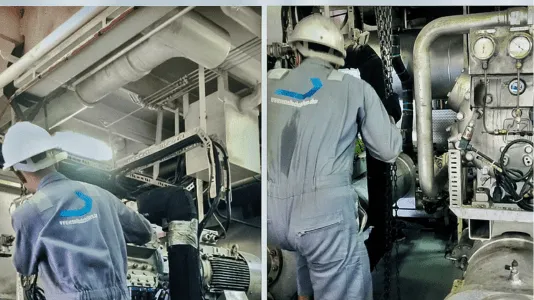
Consistent maintenance plays a major role in keeping marine cooling systems reliable during long voyages. Because vessels operate in humid and salt-heavy environments, small maintenance tasks performed regularly can prevent larger mechanical problems later. Engineering crews often follow a routine checklist to keep the system functioning efficiently.
Key preventive steps include:
- Inspect and clean air filters to maintain steady airflow through ventilation ducts
- Flush condenser coils periodically to remove salt deposits and marine residue
- Check refrigerant pressure levels to ensure the cooling cycle operates correctly
- Examine electrical connections and wiring for corrosion or loose terminals
- Monitor compressor performance for unusual vibration or sound
- Clear drain lines and moisture traps to prevent humidity buildup
When routine inspections reveal irregular performance, arranging a vessel HVAC repair job early helps technicians resolve issues before they develop into system failures during demanding sea conditions.
Keeping Your Crew Safe with Reliable Vessel AC Repair
Comfort and safety at sea depend heavily on stable onboard climate systems. When cooling equipment begins to struggle, acting quickly protects both the crew’s well-being and the vessel’s working environment. At VesselTech Chillers, we understand how demanding marine conditions can be for HVAC equipment. Salt air, long operating hours, and constant vibration place heavy stress on critical components.
Our highly trained engineers and technicians focus on diagnosing problems early and restoring dependable performance through professional Vessel AC maintenance services designed specifically for marine systems. By addressing faults with no delay and maintaining equipment properly, we help ship operators avoid unnecessary downtime and uncomfortable living conditions on board.
FAQ Section
Vessel AC repair should be initiated immediately to prevent heat exhaustion and equipment overheating. In high-humidity maritime environments, even a few hours without climate control can compromise crew safety and electronic reliability. Quick restoration is essential to maintain operational focus and avoid costly diversions.
While a vessel might remain buoyant, safety is severely compromised. Intense heat leads to crew fatigue and cognitive errors, while sensitive bridge electronics risk thermal shutdown. Neglecting necessary vessel AC maintenance often results in operational downtime or dangerous conditions during critical deep-sea manoeuvres.
Failures often stem from seawater cooling obstructions, such as clogged strainers or scale buildup in condenser coils, leading to high-pressure trips. Additionally, constant vessel vibration causes refrigerant leaks at joint fittings, while saltwater corrosion rapidly degrades electrical connectors and compressor motor integrity.
To maintain peak efficiency, full professional inspections should occur annually. However, crew members must clean seawater strainers and air filters monthly to prevent scale buildup. Adhering to a scheduled maintenance program ensures your system survives the corrosive maritime environment and minimises unexpected failures.
Look for erratic high-pressure trips, unusual compressor vibrations, or rising humidity levels despite a running unit. Early indicators also include reduced water discharge overboard and inconsistent cabin temperatures. Identifying these red flags early allows for proactive vessel AC repair before a complete system