VesselTech Chillers & Automation LLC


What to Expect From a Professional Marine HVAC and Refrigeration Service
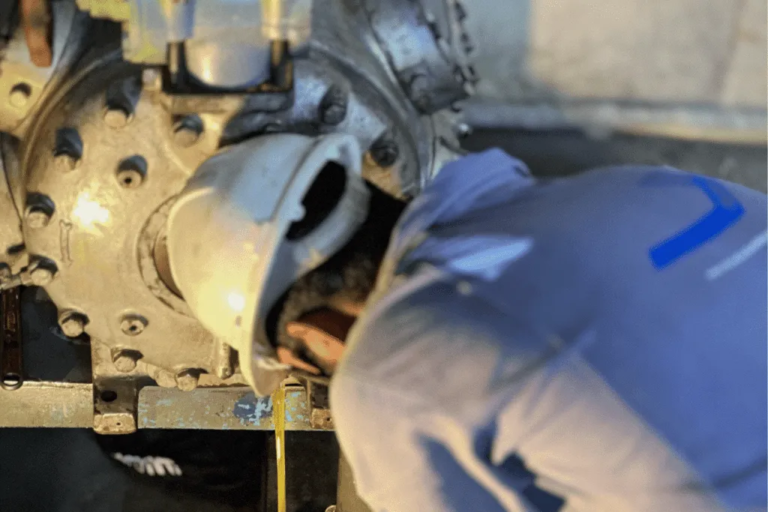
A marine compressor works hard. Day after day, in demanding conditions, it keeps your refrigeration and air conditioning systems running onboard. But like any critical piece of equipment, it has limits. Knowing when your marine compressor needs an overhaul before a breakdown happens is one of the most important things a vessel operator can do. At VesselTech, we have seen what happens when the warning signs are missed. This guide is here to help you recognise them early.
The Warning Signs That Point to a Compressor Overhauling
Most compressor problems do not appear suddenly. They build up gradually, and the signs are there if you know what to look for.
Unusual noise is one of the first indicators. If your compressor is producing knocking, rattling, or grinding sounds it did not make before, something internal is likely worn or damaged. These noises should never be ignored or written off as normal operational sounds.
A drop in performance is another clear signal. If your refrigeration is not holding temperature as well as it used to, or your air conditioning is struggling to cool spaces it previously handled with ease, the compressor may no longer be working at the capacity it should be.
Rising operating temperatures and abnormal pressure readings are also worth paying close attention to. When a compressor is working harder than it should to deliver the same output, wear is usually the cause. Left unaddressed, this puts the entire system under stress and accelerates further damage.
Oil contamination or excessive oil consumption can point to internal seal failure or worn components. If you are topping up oil more frequently than usual or noticing contamination in your refrigerant, a professional inspection is needed without delay.
How Age and Hours Factor Into Compressor Overhauling
Even a compressor that appears to be running normally will eventually need an overhaul based on age and operating hours alone. Marine environments are harsh. Saltwater, humidity, vibration, and continuous operation all take a toll on internal components over time.
As a general rule, compressors operating in marine environments should be inspected at regular intervals regardless of visible symptoms. A planned compressor overhauling is always preferable to an emergency repair at sea. It costs less, causes less disruption, and gives you confidence that the system has been fully assessed and restored to proper working condition.
At VesselTech, our engineers carry out thorough inspections before every overhaul to understand the exact condition of each component. Nothing is assumed. Everything is checked.
What Happens During a Professional Compressor Overhauling
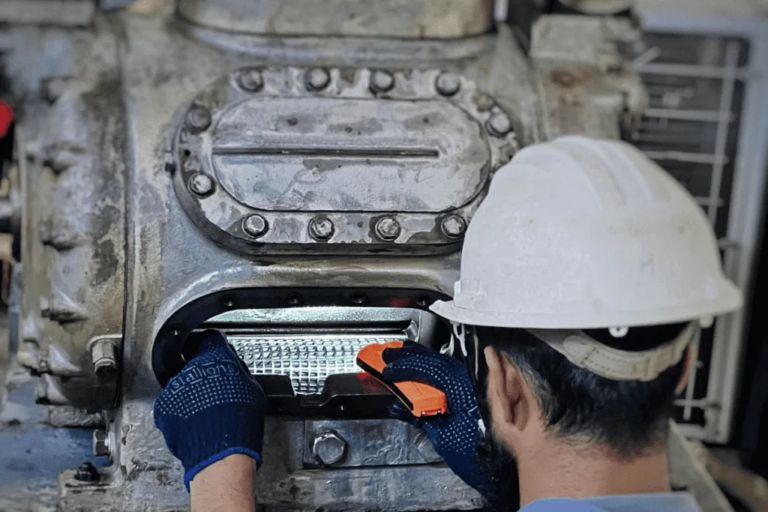
A proper compressor overhaul is not a quick service. It involves a complete strip-down of the unit, inspection of all internal components, replacement of worn or damaged parts, reassembly to manufacturer specifications, and testing before the unit is returned to service.
The goal is not just to fix what is broken but to restore the compressor to a condition where it will perform reliably for the next service interval. Cutting corners during an overhaul simply delays the same problem or creates new ones.
VesselTech uses quality spare parts and follows precise procedures to make sure every compressor overhaul we carry out meets the standards your vessel depends on.
Why Waiting Too Long Always Costs More
There is a tendency in any operation to keep a system running as long as possible before committing to a repair or overhaul. We understand the pressure to minimise downtime. But with compressors, waiting too long almost always leads to more extensive damage, higher repair costs, and in the worst cases, complete system failure at the worst possible time.
A compressor that is overhauled at the right time comes back stronger. One that is run past its limits often takes other components with it when it fails.
The smarter approach is regular monitoring, early diagnosis, and acting on the signs before they become emergencies. That is exactly the kind of support VesselTech is built to provide.
If you are unsure about the condition of your marine compressor or it has been a while since the last inspection, reach out to the team at VesselTech today. We will assess where things stand and give you a clear picture of what your system needs.
Frequently Asked Questions
This depends on the make, model, and operating hours of the compressor, as well as the conditions it operates in. As a general guideline, a compressor overhaul should be considered every few years or after a set number of operating hours as specified by the manufacturer. In marine environments, more frequent inspections are advisable given the demanding conditions on board vessels.
It depends on the severity of the symptoms. Minor performance changes may allow for short-term continued operation while a service is arranged. However, unusual noises, pressure irregularities, or significant performance drops should be addressed as soon as possible. Operating a failing compressor can cause further damage to the system and lead to more costly repairs down the line.
A repair typically addresses a specific fault or failed component. A compressor overhauling is a more comprehensive process that involves a full strip-down, inspection of all internal parts, replacement of worn components, and reassembly to original specifications. An overhaul restores the compressor to a reliable working condition rather than simply fixing the immediate problem.
Yes. VesselTech stocks and supplies spare parts for a range of compressor brands, including Bitzer, Carlyle, Sabroe, and Bock. Having the right parts available is essential for completing a compressor overhaul efficiently and minimising downtime for your vessel.
Simply get in touch with our team through vesseltechchillers. We will arrange an inspection, discuss your system's history, and provide a clear recommendation on whether a compressor overhaul is needed and what the process will involve.