VesselTech Chillers & Automation LLC


Why Industrial Chiller System Repair in Dubai is Critical: The Science of Heat Load and Component Stress
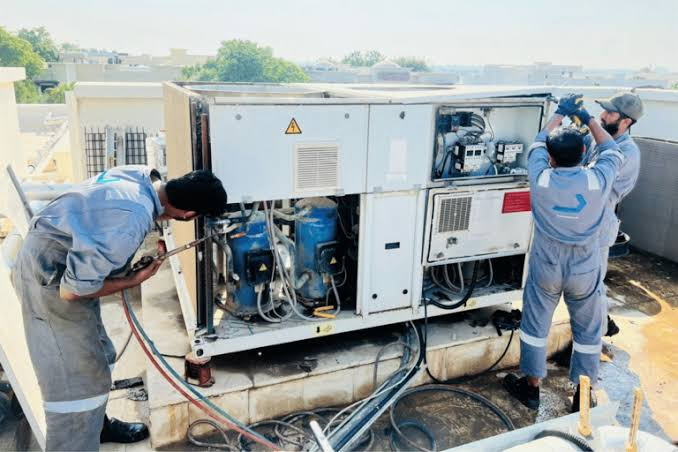
When summer hits Dubai and temperatures soar past 45°C, your building’s cooling system starts running a marathon; it simply cannot sit out. Large chillers have to work around the clock at absolute maximum capacity just to keep indoor spaces livable and industrial processes running smoothly. This kind of intense, non-stop pressure creates a domino effect of mechanical strain inside the machine. If nobody is keeping a close eye on things, small performance drops quickly turn into sudden, expensive breakdowns that halt your operations. Understanding exactly what happens to your cooling equipment in extreme heat makes it easy to see why routine upkeep and prompt industrial chiller system repair in Dubai are so important to keep your daily business moving forward.
For commercial facilities, warehouses, and industrial plants across the region, a large-scale chiller is the absolute heart of daily operations. When the outdoor environment becomes an oven, these systems are pushed far past their standard operating parameters. A minor glitch that might go unnoticed in milder weather turns into a total system failure when the heat load reaches its peak. Managing this risk requires looking closely at how extreme high ambient temperatures attack individual mechanical components.
Extreme Heat and the Battle Against High Internal Pressure
Inside any cooling system, the condenser has a straightforward but tough job: take the heat collected from inside your building and push it outdoors. When the outside air is scorching hot, it becomes incredibly difficult for the system to dump that heat effectively.
To make up for this poor heat exchange, the compressor has to push twice as hard to move the cooling fluid through the system. This creates massive internal pressure. Running a heavy-duty machine under this kind of constant stress day in and day out wears down critical seals, rings, and valves much faster than normal. For local businesses, checking these pressure changes early is the easiest way to stop a total system shutdown before it happens.
Thinning Oil, Leaks, and Burned Out Components
The fierce desert heat does more than just spike internal pressures. It actively messes with the fluids and materials keeping your machine alive.
- The lubricating oil gets too thin: When internal temperatures get too high, the compressor oil loses its thick consistency. It turns watery and stops coating the moving parts properly, which causes metal components to grind together and overheat.
- Temperature swings cause sudden leaks: The extreme shift between a blazing hot afternoon and a cooler night makes metal pipes and rubber gaskets stretch and shrink. Over time, this constant movement creates tiny cracks that let your cooling gas escape.
- The motor starts running dangerously hot: The built-in motor relies on returning cool gas to keep its own temperature down. When the incoming gas is already warm from the outside heat, the internal wiring overheats, destroying insulation and threatening to burn out the motor entirely.
How Fine Desert Dust Multiplies the Strain
Being close to the coast in Dubai means dealing with a messy combination of blowing sand and high humidity. When fine dust settles on the outdoor coils, it acts like a thick blanket that traps heat and blocks vital airflow. If your setup uses a water cooling tower, the fast evaporation rates in this region leave behind hard mineral crusts on the equipment. Even a thin layer of dust or mineral buildup forces your machine to pull significantly more electricity to do the same job, adding a massive amount of unnecessary stress on your compressor.
Clear Signs Your Cooling System Needs Help Right Away
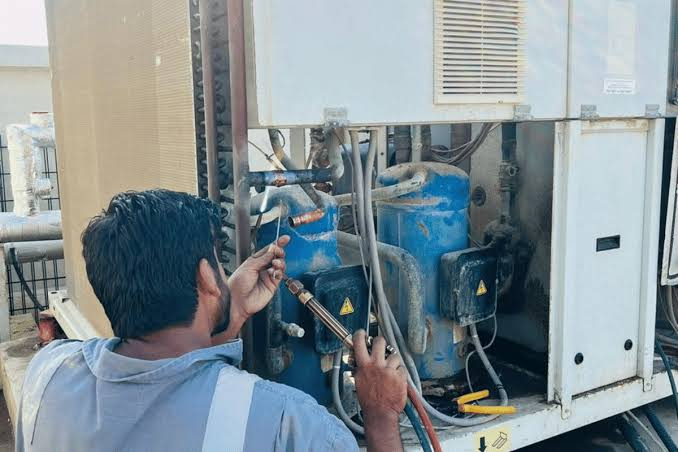
Spotting equipment strain before the whole system cuts out can save your business thousands of dirhams in emergency fixes and lost operational hours. Keep a lookout for these warning signs:
- The system frequently shuts itself off or trips your circuit breakers.
- You hear strange grinding sounds or heavy knocking coming from the main unit.
- Your monthly electricity bill shows a sudden, unexplainable spike.
- The system oil looks dark, discolored, or smells burnt during a check.
Keeping Your Operations Cool and Reliable
Beating the intense summer heat requires a partner who genuinely understands how these heavy-duty cooling machines handle extreme weather conditions. Keeping your system running efficiently isn’t just about patching things up when they break down entirely; it takes real technical know-how, precise tool calibration, and regular tune-ups to stay ahead of the weather.
When your cooling system starts struggling with the heat, getting experienced professionals on-site saves you time, stress, and money. For complete system overhauls, monthly preventive maintenance, or fast, dependable industrial chiller system repair in Dubai, Vesseltech Chillers brings the practical engineering expertise and quick support you need to keep your air conditioning running smoothly through the hottest months of the year. You don’t have to wait for an operational crisis to take action. If you want to protect your expensive equipment and avoid a stressful breakdown, reach out to the team at Vesseltech Chillers today to get a thorough, professional health check on your cooling system.
Frequently Asked Questions
The extreme outdoor heat makes it incredibly hard for the system to shed warmth. This forces the compressor to run at maximum pressure for weeks on end, which thins out the protective oil and wears out parts fast.
To avoid sudden breakdowns during the worst of the heat, heavy-duty systems need a full inspection every quarter, with a deep coil cleaning right before summer starts.
When a system runs low on gas, the compressor has to work much harder to cool the building. This causes the machinery to overheat and can permanently destroy the motor.