Author: admin

  • A Step-by-Step Look at What Happens During Compressor Overhauling
    A Step-by-Step Look at What Happens During Compressor Overhauling

    A Step-by-Step Look at What Happens During Compressor Overhauling

    Compressor Overhauling in Dubai

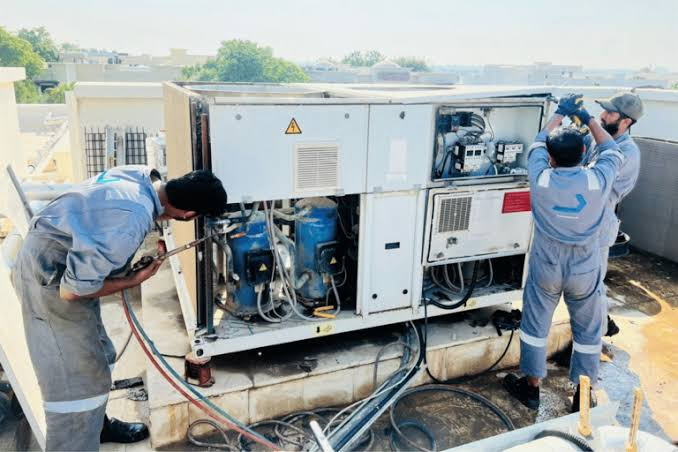
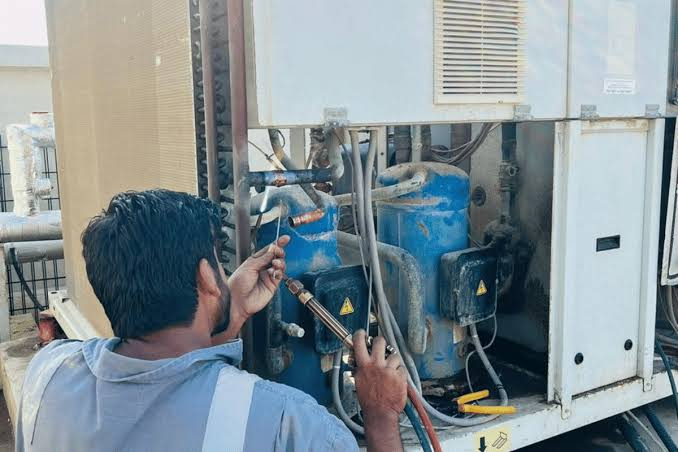
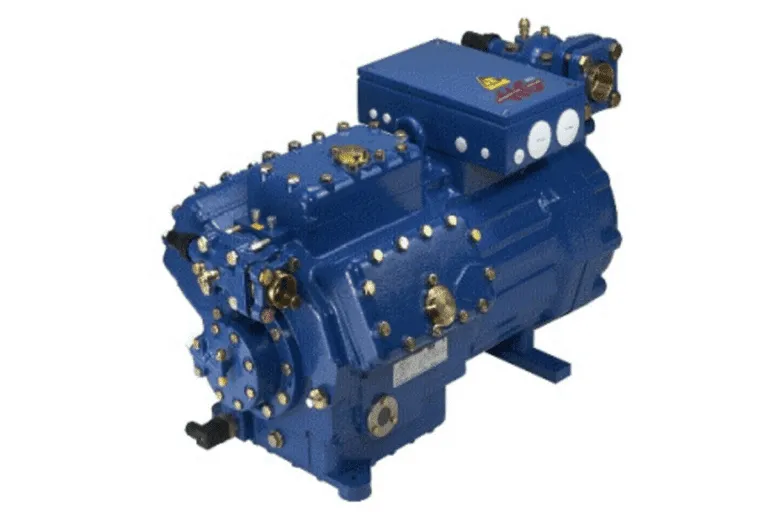
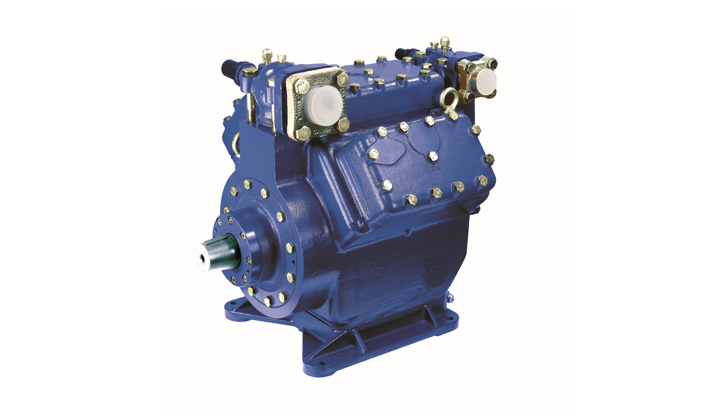
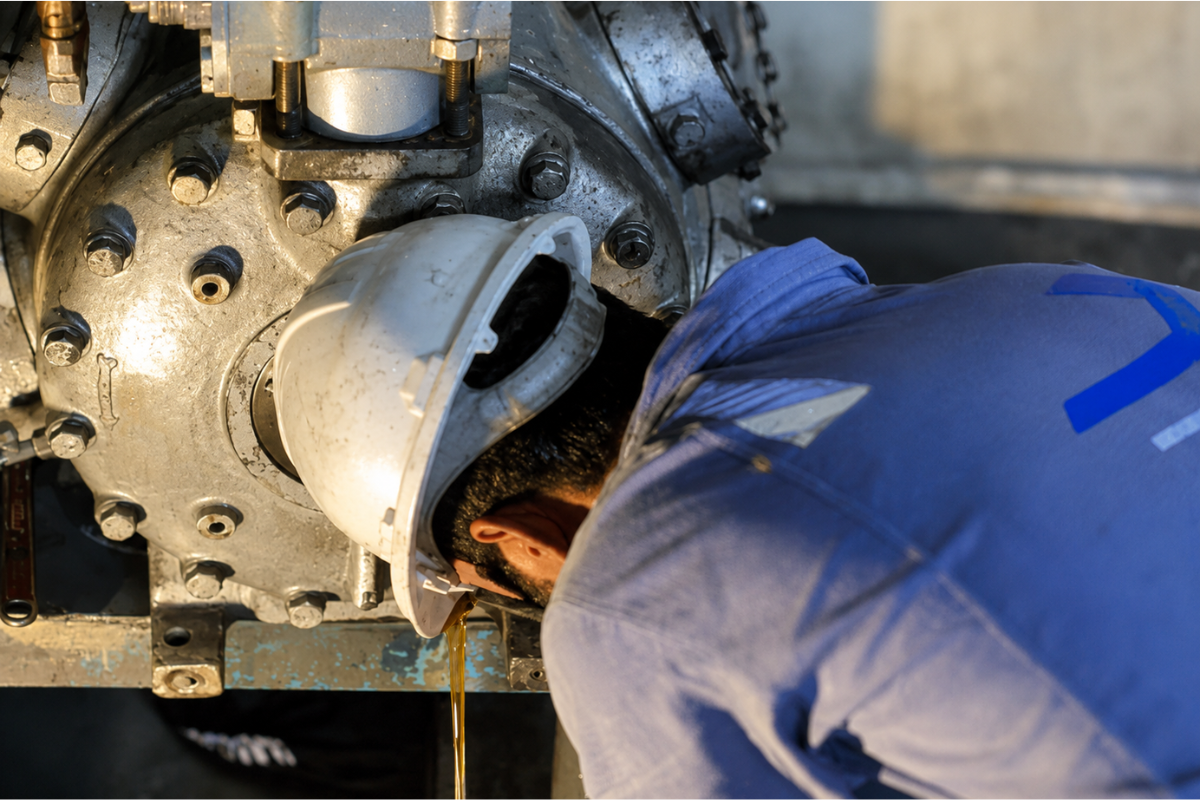
    When a commercial cooling unit starts losing its cool, making weird knocking sounds, or struggling to keep the building cold, the heart of the machine is usually crying out for help. The compressor does all the heavy lifting in any air conditioning or refrigeration setup, constantly pumping cooling gas around the clock to keep your space comfortable. Instead of panicking and dropping a massive amount of money on a brand-new unit the moment things go downhill, professional compressor overhauling gives you a smart, practical way to rebuild what you already have. At Vesseltech Chillers, our team takes these heavy-duty cooling units apart and restores them to peak condition every single day, saving local businesses from huge, unnecessary expenses. Understanding what actually happens during a full rebuild makes it easy to see why taking care of your current equipment is often the best move you can make.

    Choosing to rebuild your current machinery is not just about saving money upfront; it is also about preserving a system that is already custom-fitted to your facility’s specific infrastructure. When you do a complete replacement of a large unit, you often end up with unexpected downtime, complex piping adjustments, and structural changes. A systematic rebuild ensures that you don’t get those extra headaches and restores your cooling power completely.

    1. Finding the Root Cause and Setting Up Safe Working Conditions

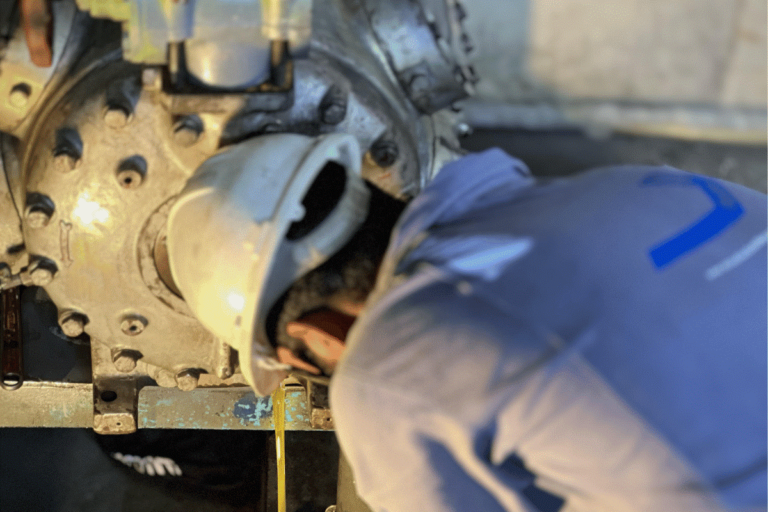
    Before technicians touch a single wrench or open up the machine, they first do a careful diagnostic check to figure out why the unit is acting up in the first place. They check electrical connections. They check the oil condition. They analyze recent performance problems to determine internal worn parts or damaged valves.

    Once the problem is identified, making the workspace safe is the top priority:

    • Cutting off electrical power: The main power supply is completely disconnected and locked out so nobody can accidentally turn the machine on while people are working on it.
    • Safely removing the cooling gas: Special recovery tanks suck out the remaining cooling gas so none of it leaks into the room or damages the air outside.
    • Releasing internal pressure: Any leftover pressure trapped inside the pipes is safely vented out so the crew can open the outer metal shell without any danger.

    2. Taking the Unit Apart and Checking Every Component

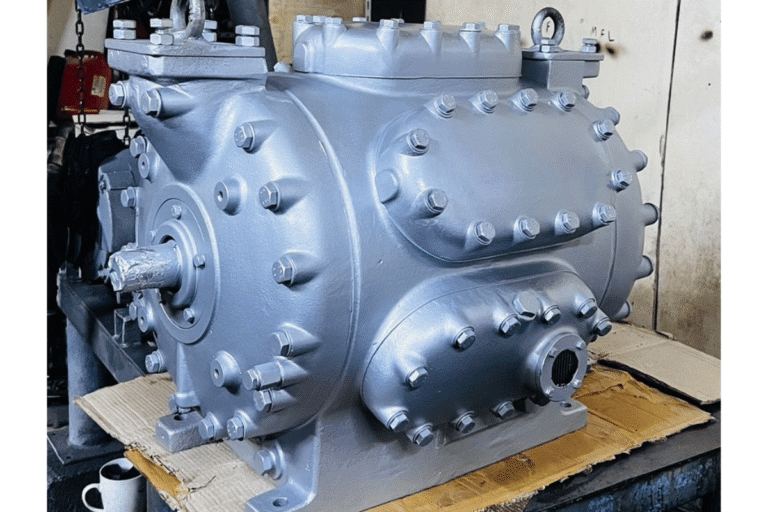
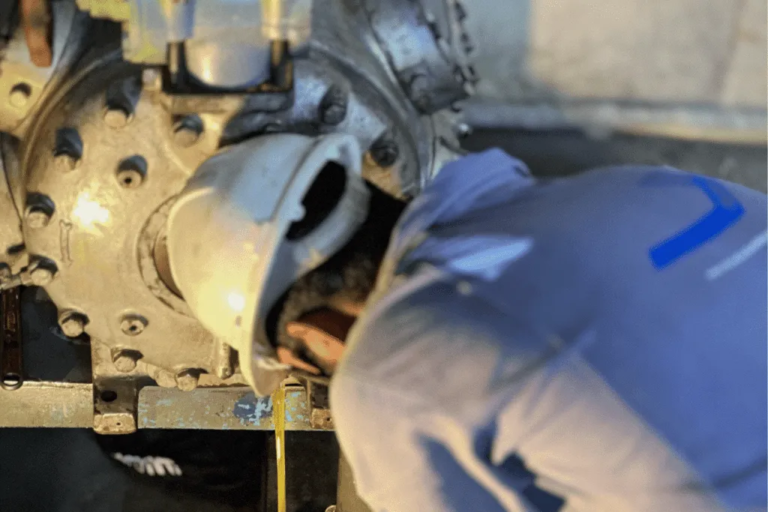
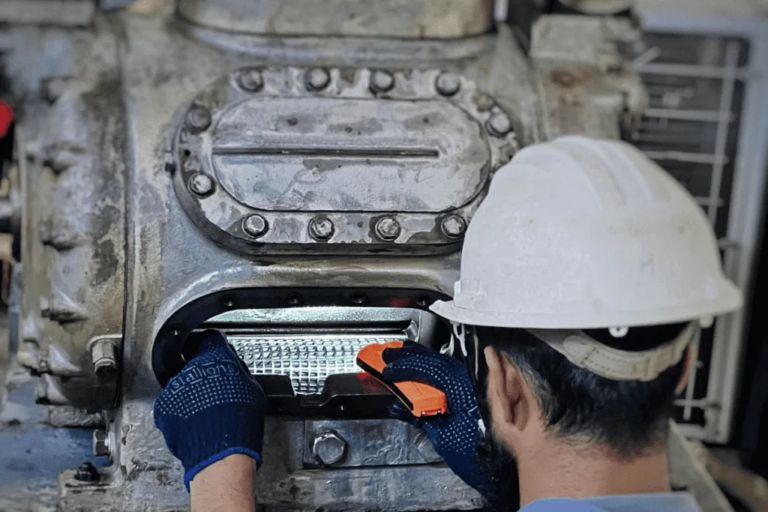
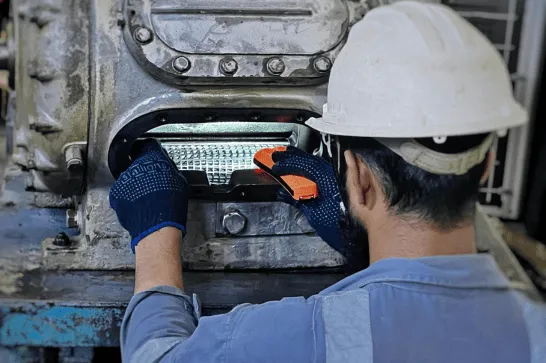
    With the machine safely powered down and vented, the technicians carefully take the compressor apart piece by piece. This isn’t just about unscrewing bolts; every single component is labeled and laid out neatly so the whole internal setup can be evaluated.

    During this stage, the team inspects the most critical moving parts:

    • Main shaft and pistons: Looked over for deep scratches, cracks, or dark discolored spots caused by intense friction and heat.
    • Valves and valve plates: Checked for bent metal, carbon buildup, or cracks that cause pressure loss and poor cooling.
    • Bearings and ring seals: Measured with precise tools to see if they have loosened up or worn down unevenly over time.
    • Internal motor wiring: Tested with specialized tools to make sure the electrical core of the machine hasn’t suffered heat damage or short circuits.

    3. Deep Cleaning Away Sludge and Metal Filings

    Years of non-stop work leave behind a messy mix of thick carbon deposits, burnt oil residue, and tiny metal shavings caused by moving parts rubbing together. Leaving even a speck of gritty dirt inside will ruin brand-new parts within a few days of operation. Every disassembled part gets soaked and scrubbed in specialized cleaning solutions. High-pressure sprayers and deep cleaning tanks clear out tiny oil channels and internal passages, leaving smooth, clean surfaces ready for fresh components.

    4. Replacing Worn Parts and Putting It Back Together

    This is where the actual transformation happens during compressor overhauling. Any part that shows signs of wear, thinning, or surface damage is tossed out and replaced with high-quality, long-lasting replacement parts.

    Key updates and assembly steps include:

    • Fitting fresh rubber gaskets, O-rings, and shaft seals to stop any future gas or oil drips.
    • Replacing worn main bearings, connecting rods, and piston rings with fresh parts.
    • Tightening every single bolt to exact manufacturer specifications using proper torque tools.
    • Lining up internal moving components perfectly so the machine doesn’t vibrate or shake once it starts running again.
    1. Testing for Leaks, Clearing Out Moisture, and Adding Clean Oil

    Once everything is put back together, the machine goes through tough static tests before it touches live electrical power. Technicians pump dry nitrogen gas into the sealed unit under high pressure and use soapy solution checks to make sure there are zero leaks around the fresh seals.

    After holding that pressure successfully, a strong vacuum pump pulls out every tiny drop of moisture and trapped air. Water is a major enemy inside a cooling system because it mixes with cooling gas to create corrosive acids that eat away at metal. Finally, the unit is filled with clean, high-grade compressor oil to keep every moving part floating smoothly.

    Skipping or rushing the evacuation process can lead to long-term internal corrosion, which silently destroys fresh components from the inside out. That is why thorough vacuum holds are non-negotiable for professional technicians.

    6. Running Operational Tests and Fine-Tuning Performance

    The last stage is the re-commissioning of the rebuilt unit under real conditions. The compressor is returned to the main cooling loop, reconnected to the power, and started for a full test run. Technicians monitor operating pressure, oil flow, electrical power draw, and running temperatures very closely. The machine can run smoothly without wasting electricity by adjusting these settings on the spot.

    Restoring Peak Efficiency to Your Cooling Systems

    Putting your money into systematic compressor overhauling is one of the smartest ways to protect your facility from unexpected cooling failures and budget-draining equipment replacements. Getting the full benefits of a rebuild requires real hands-on experience, proper tools, and an exact eye for detail.

    When your cooling infrastructure starts showing signs of age or reduced performance, partnering with experienced specialists ensures your equipment gets restored right the first time. Vesseltech Chillers’ team provides full inspections, dependable maintenance, and complete compressor overhauls to keep your heavy-duty equipment running strong through the toughest seasons. For a complete system evaluation, contact Vesseltech Chillers today to get your cooling back on track and extend the life of your equipment.

    Frequently Asked Questions

    A quick fix typically only addresses one visible problem such as a leaky seal or a broken switch. An overhaul is a complete top-to-bottom rebuild where the entire unit is stripped out, cleaned, measured, and re-established with new internal components to put the working life back to zero.

    Constant metallic grinding noises, overheating, check engine oil pressure warnings going off all the time, circuit breakers tripping at random, and a dramatic drop in cooling performance despite full levels of gas are all clear signs.

    Depending on the size of the machine and what kind of compressor you have, it usually takes two to four working days to take it apart, clean it, put in new parts, and check everything once all replacement parts are ready to go.

    Yes, absolutely. When skilled technicians rebuild a unit using quality replacement parts and proper testing, it runs just like a brand-new factory unit while saving you a massive chunk of money.
  • Why Preventive Servicing and Timely Industrial Chiller System Repair in Dubai Protect Your Machine’s Lifespan

    Why Preventive Servicing and Timely Industrial Chiller System Repair in Dubai Protect Your Machine’s Lifespan

    Why Preventive Servicing and Timely Industrial Chiller System Repair in Dubai Protect Your Machine’s Lifespan

    industrial chiller system repair in Dubai

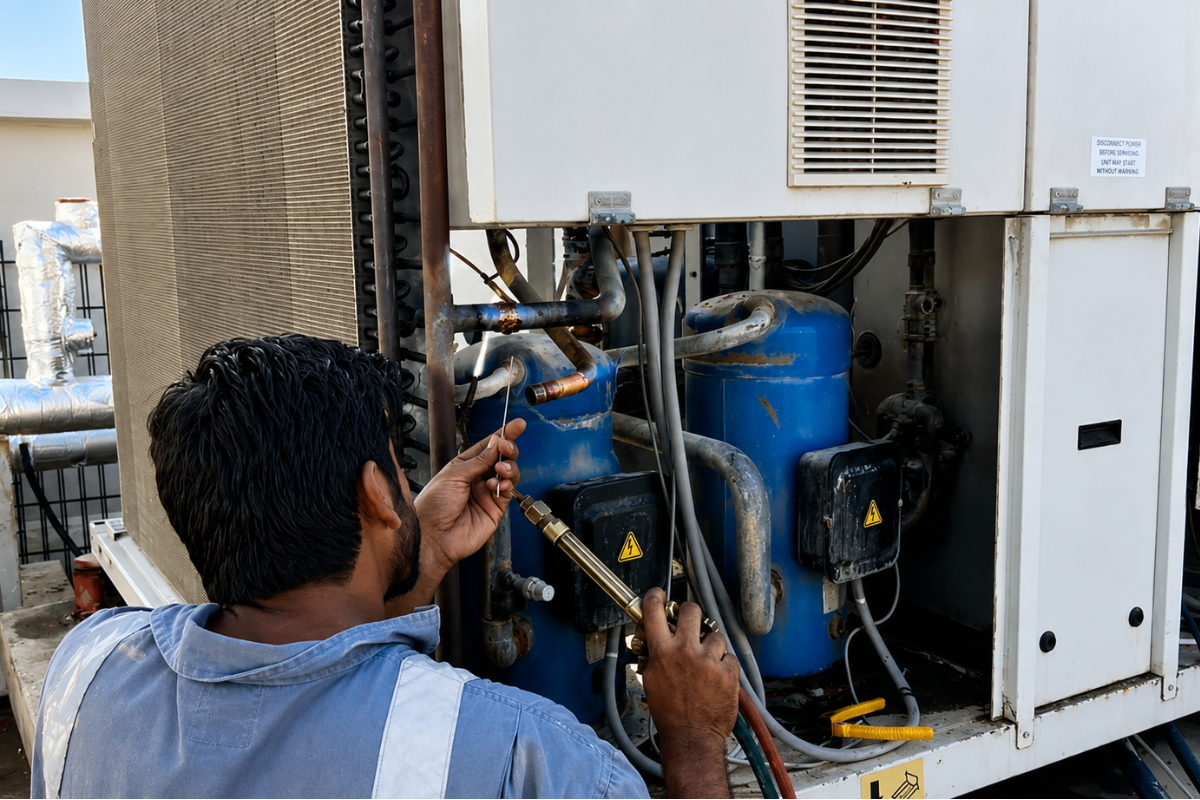
    When you run a factory, warehouse, or commercial building in the Middle East, your cooling setup is the absolute backbone of daily operations. Keeping these heavy-duty units in top shape requires constant attention because the desert weather puts massive demands on every single internal component. Pushing your machinery month after month without routine tune-ups is a quick recipe for unexpected failures, skyrocketing power bills, and shortened equipment lifespans. Investing in regular maintenance, paired with prompt industrial chiller system repair in Dubai when small glitches pop up, is the single most effective way to keep your machinery running smoothly for years. At Vesseltech Chillers, our engineering team sees firsthand how simple preventive care saves local businesses thousands of dirhams in catastrophic breakdown costs.

    Taking care of an industrial cooling unit is very much like servicing a high-performance car. If you ignore oil changes and filter replacements, the engine works twice as hard, wears out its internal parts, and eventually quits when you need it most. By taking a proactive approach to equipment care, you protect your capital investment and keep your workplace comfortably cool no matter how high the outside temperature climbs.

    1. Stopping Small Mechanical Issues Before They Require Major Repairs

    Every massive mechanical failure starts as a tiny, unnoticeable issue. A slightly loose belt, a small drop in cooling gas, or a minor oil drip might not stop your machine today, but it places extra strain on surrounding parts. Over time, that extra strain creates a domino effect throughout the whole setup.

    Regular maintenance checkups help technicians catch these subtle warning signs early:

    • Spotting tiny leaks: Finding loose pipe joints early stops cooling gas from escaping, which prevents the main motor from running dangerously hot.
    • Checking electrical connections: Tightening loose wiring and testing circuit breakers prevents unexpected electrical shorts and component burnouts.
    • Monitoring oil health: Inspecting lubricant quality ensures moving metal parts remain fully protected against friction and heat.

    When minor wear and tear is corrected during scheduled service visits, you rarely have to deal with emergency shutdowns. However, if a sudden issue does crop up during peak operating hours, having a trusted partner for industrial chiller system repair in Dubai ensures the problem is fixed quickly before major damage occurs.

    2. Lowering Internal Pressure and Heat Strain

    The scorching Middle Eastern climate forces your cooling setup to operate under immense pressure just to push indoor warmth outdoors. When outdoor coils get covered in blowing sand or dust, the machine loses its ability to shed that warmth efficiently. The compressor responds by working much harder, driving up internal temperatures and putting heavy stress on valves, seals, and motor wiring.

    During a routine service visit, technicians thoroughly wash outdoor coils, clear out clogged air passages, and check fluid flow. Removing built-up grime allows the machine to release heat effortlessly. This keeps internal pressures at safe, normal levels, protecting sensitive parts from premature heat failure and keeping your monthly electricity bills manageable.

    3. Preventing Acid Buildup and Internal Rust

    Moisture and air are absolute poison inside any cooling setup. When small amounts of moisture mix with cooling gas and hot compressor oil, a chemical reaction creates harmful acids inside the pipes. These acids silently eat away at copper motor wiring, metal pipe walls, and delicate control valves from the inside out.

    Scheduled maintenance includes checking filter units and clearing out trapped air whenever the system is serviced. Replacing saturated filters keeps the internal environment completely dry and clean. By preventing acid from forming, you protect the core motor and ensure the internal plumbing lasts for decades without developing unexpected internal leaks.

    4. Keeping Energy Bills Low and Cooling Output High

    A neglected cooling unit loses a noticeable amount of its operational efficiency every single year. Dusty coils, thinned-out oil, and slightly degraded valves force the machine to draw significantly more electrical power just to achieve basic cooling. This means you end up paying higher utility bills for weak cooling performance.

    Routine tune-ups restore proper operating fit, clean heat exchange surfaces, and calibrate temperature sensors. A well-maintained machine runs shorter, more efficient cycles to maintain your desired indoor climate. The energy savings alone over a single summer season often cover the cost of the maintenance plan itself.

    5. Extending the Overall Working Life of Your Equipment

    Commercial cooling units represent a massive financial investment for any company. Replacing a large unit prematurely due to poor upkeep wastes valuable capital that could be spent growing your business. Regular servicing doubles or even triples the usable working life of your cooling machinery.

    By keeping friction low, oil clean, coils spotlessly clear, and electrical controls properly calibrated, your equipment stays in peak condition year after year. You avoid the stress of sudden summer breakdowns and postpone expensive equipment replacements for as long as possible.

    Partnering with Experts to Protect Your Infrastructure

    Taking proper care of your cooling infrastructure requires real hands-on skill, specialized diagnostic tools, and a practical understanding of how heavy-duty machinery handles extreme weather conditions. Leaving your equipment to chance leads to unexpected disruptions, high energy bills, and early machinery failure that hits your bottom line hard.

    When you want to keep your operations running smoothly through the hottest months of the year, getting experienced professionals on-site makes all the difference. Vesseltech Chillers is your one-stop shop for full-service preventive maintenance, system tune-ups, and quick, reliable industrial chiller system repair in Dubai customized to keep your machinery running at peak efficiency. Don’t wait until a system goes down to start thinking about maintenance. If you want to extend the life of your equipment and prevent costly downtime for your facility, call the team at Vesseltech Chillers today to schedule a complete system assessment.

    Frequently Asked Questions

    Here, where the heat is fierce and the dust blows in clouds, the heavy-duty cooling systems should be given a complete check-over each quarter, and a deep, thorough cleaning just before summer begins.

    Some of the key warning signs are strange knocking or grinding noises, a sudden increase in your electricity bill, ice buildup on the pipes, regular trips of the circuit breaker, or warm air blowing out of your vents.

    Yes! To reduce mechanical drag and improve heat transfer, the internal oil should be kept fresh, dusty coils should be cleaned, and worn filters replaced. This means your equipment uses much less electricity to cool your plant.

    When cooling gas runs low, the compressor is forced to work constantly without the cooling return it needs. This can result in overheating of the internal components, leading to severe motor damage or complete compressor failure.

    Sure. Preventive maintenance costs a fraction of an emergency fix, prevents costly business operational downtime, lowers energy usage, and prevents minor wear from turning into complete machinery failure.

  • Why Industrial Chiller System Repair in Dubai is Critical: The Science of Heat Load and Component Stress

    Why Industrial Chiller System Repair in Dubai is Critical: The Science of Heat Load and Component Stress

    Why Industrial Chiller System Repair in Dubai is Critical: The Science of Heat Load and Component Stress

    industrial chiller system repair dubai

    When summer hits Dubai and temperatures soar past 45°C, your building’s cooling system starts running a marathon; it simply cannot sit out. Large chillers have to work around the clock at absolute maximum capacity just to keep indoor spaces livable and industrial processes running smoothly. This kind of intense, non-stop pressure creates a domino effect of mechanical strain inside the machine. If nobody is keeping a close eye on things, small performance drops quickly turn into sudden, expensive breakdowns that halt your operations. Understanding exactly what happens to your cooling equipment in extreme heat makes it easy to see why routine upkeep and prompt industrial chiller system repair in Dubai are so important to keep your daily business moving forward.

    For commercial facilities, warehouses, and industrial plants across the region, a large-scale chiller is the absolute heart of daily operations. When the outdoor environment becomes an oven, these systems are pushed far past their standard operating parameters. A minor glitch that might go unnoticed in milder weather turns into a total system failure when the heat load reaches its peak. Managing this risk requires looking closely at how extreme high ambient temperatures attack individual mechanical components.

    Extreme Heat and the Battle Against High Internal Pressure

    Inside any cooling system, the condenser has a straightforward but tough job: take the heat collected from inside your building and push it outdoors. When the outside air is scorching hot, it becomes incredibly difficult for the system to dump that heat effectively.

    To make up for this poor heat exchange, the compressor has to push twice as hard to move the cooling fluid through the system. This creates massive internal pressure. Running a heavy-duty machine under this kind of constant stress day in and day out wears down critical seals, rings, and valves much faster than normal. For local businesses, checking these pressure changes early is the easiest way to stop a total system shutdown before it happens.

    Thinning Oil, Leaks, and Burned Out Components

    The fierce desert heat does more than just spike internal pressures. It actively messes with the fluids and materials keeping your machine alive.

    • The lubricating oil gets too thin: When internal temperatures get too high, the compressor oil loses its thick consistency. It turns watery and stops coating the moving parts properly, which causes metal components to grind together and overheat.
    • Temperature swings cause sudden leaks: The extreme shift between a blazing hot afternoon and a cooler night makes metal pipes and rubber gaskets stretch and shrink. Over time, this constant movement creates tiny cracks that let your cooling gas escape.
    • The motor starts running dangerously hot: The built-in motor relies on returning cool gas to keep its own temperature down. When the incoming gas is already warm from the outside heat, the internal wiring overheats, destroying insulation and threatening to burn out the motor entirely.

    How Fine Desert Dust Multiplies the Strain

    Being close to the coast in Dubai means dealing with a messy combination of blowing sand and high humidity. When fine dust settles on the outdoor coils, it acts like a thick blanket that traps heat and blocks vital airflow. If your setup uses a water cooling tower, the fast evaporation rates in this region leave behind hard mineral crusts on the equipment. Even a thin layer of dust or mineral buildup forces your machine to pull significantly more electricity to do the same job, adding a massive amount of unnecessary stress on your compressor.

    Clear Signs Your Cooling System Needs Help Right Away

    When a system runs low on gas, the compressor has to work much harder to cool the building. This causes the machinery to overheat and can permanently destroy the motor.

    Spotting equipment strain before the whole system cuts out can save your business thousands of dirhams in emergency fixes and lost operational hours. Keep a lookout for these warning signs:

    • The system frequently shuts itself off or trips your circuit breakers.
    • You hear strange grinding sounds or heavy knocking coming from the main unit.
    • Your monthly electricity bill shows a sudden, unexplainable spike.
    • The system oil looks dark, discolored, or smells burnt during a check.

    Keeping Your Operations Cool and Reliable

    Beating the intense summer heat requires a partner who genuinely understands how these heavy-duty cooling machines handle extreme weather conditions. Keeping your system running efficiently isn’t just about patching things up when they break down entirely; it takes real technical know-how, precise tool calibration, and regular tune-ups to stay ahead of the weather.

    When your cooling system starts struggling with the heat, getting experienced professionals on-site saves you time, stress, and money. For complete system overhauls, monthly preventive maintenance, or fast, dependable industrial chiller system repair in Dubai, Vesseltech Chillers brings the practical engineering expertise and quick support you need to keep your air conditioning running smoothly through the hottest months of the year. You don’t have to wait for an operational crisis to take action. If you want to protect your expensive equipment and avoid a stressful breakdown, reach out to the team at Vesseltech Chillers today to get a thorough, professional health check on your cooling system.

    Frequently Asked Questions

    The extreme outdoor heat makes it incredibly hard for the system to shed warmth. This forces the compressor to run at maximum pressure for weeks on end, which thins out the protective oil and wears out parts fast.

    To avoid sudden breakdowns during the worst of the heat, heavy-duty systems need a full inspection every quarter, with a deep coil cleaning right before summer starts.

    When a system runs low on gas, the compressor has to work much harder to cool the building. This causes the machinery to overheat and can permanently destroy the motor.

  • Bitzer vs Bock: How Compressor Overhauling Requirements Differ by Brand

    Bitzer vs Bock: How Compressor Overhauling Requirements Differ by Brand

    Bitzer vs Bock: How Compressor Overhauling Requirements Differ by Brand

    Compressor overhauling dubai

    When you are thousands of miles offshore or running a high-stakes industrial facility, the sudden failure of your refrigeration plant is an absolute nightmare. Proactive compressor overhauling is the single most effective shield against catastrophic downtime, but assuming that all compressor brands require the same maintenance approach is a critical mistake. Each major brand, , Bitzer, and Bock, has its own engineering philosophy, which directly dictates how, when, and why they must be serviced.

    Operating these complex systems means understanding these subtle engineering differences is the key to extending equipment life. Since marine and industrial refrigeration demands zero tolerance for error, specialized service providers like Vesseltech Chillers focus on these brand-specific nuances to keep global fleets and cooling plants running at peak performance.

    Why Brand-Specific Knowledge Matters in Compressor Overhauling

    1.  Compressors: The Heavy-Duty Giants

     compressors, particularly the classic reciprocating (SMC/TSMC) and screw (SAB) series, are built for high-capacity, heavy-industrial applications. They are designed to withstand grueling marine conditions, but this robust construction means that their overhaul requirements are highly demanding and mathematically precise.

    Key Maintenance Focus Areas:

    • Precision Clearances: During compressor overhauling for a reciprocating model, measuring the cylinder liner wear and piston clearance is critical.  uses heavy cast iron components that require exact clearances to prevent piston slap or seizure.
    • Shaft Seal Integrity: Because many units run on ammonia (R717), shaft seal maintenance is absolutely vital. Ammonia leaks are highly toxic and corrosive, meaning the mechanical shaft seal must be inspected and replaced with extreme care.
    • Screw Compressor Rotor Alignment: On screw models, check the axial and radial clearances of the rotors. Worn bearings can cause the rotors to touch the casing, which completely ruins the compressor.
    • Slide Valve Calibration: The capacity control slide valves on screws require calibration of the position transmitter during reassembly to ensure accurate load matching.

    2. Bitzer Compressors: The Efficiency Specialists

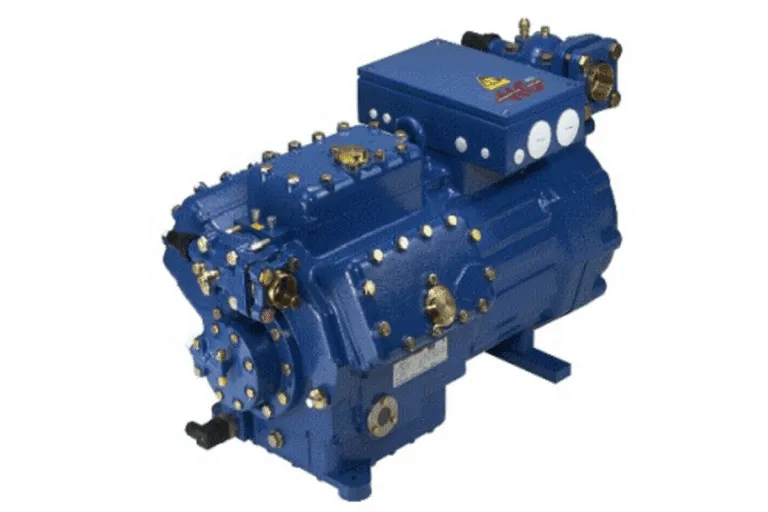
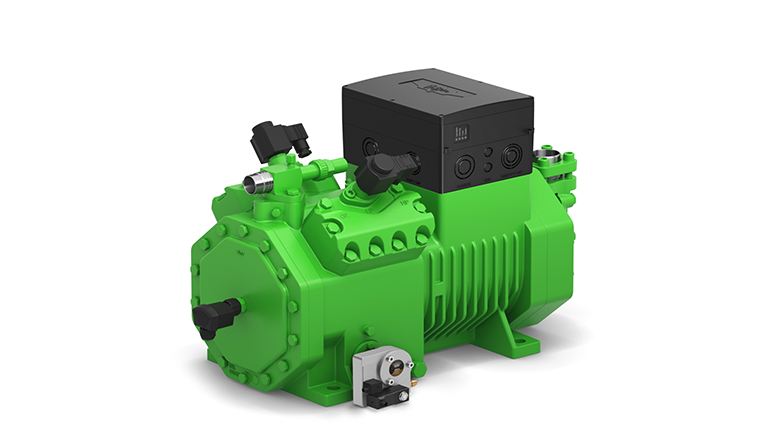
    Bitzer is highly regarded for its semi-hermetic reciprocating compressors (such as the Ecoline series) and compact screw compressors. Bitzer systems focus heavily on energy efficiency and compact design, which introduces different challenges during an overhaul.

    Key Maintenance Focus Areas:

    • Valve Plate Assemblies: Bitzer reciprocating units utilize highly optimized, delicate reed valves on their valve plates. Even minor carbon buildup or slight warping will cause massive efficiency losses. Replacing the complete valve plate assembly is a standard part of any Bitzer overhaul.
    • Motor Winding Inspection: Because many Bitzer compressors are semi-hermetic (meaning the motor is cooled by suction gas inside the compressor housing), inspecting the motor insulation and terminal plate seals is critical. Acidic oil can eat away at the motor winding insulation, leading to electrical burnouts.
    • Oil Level and Crankcase Heater Check: Bitzer compressors are sensitive to oil carryover. Ensuring that the oil return system and crankcase heaters are functioning perfectly during reassembly prevents liquid slugging at startup.

    3. Bock Compressors: The Compact Open-Type Champions

    Bock (part of the Danfoss group) is the go-to brand for mobile applications, marine air conditioning, and compact refrigeration plants. Their HG (hermetic gas-cooled) and F (open-type) series are highly reliable, but they feature very different service intervals.

    Key Maintenance Focus Areas:

    • Shaft Seals in Open-Type Models: Bock’s open-type “F” series relies heavily on the integrity of the shaft seal. Unlike semi-hermetic models, any seal degradation immediately results in refrigerant loss to the atmosphere. Shaft seals on Bock compressors are considered wear parts and should be replaced during every major service interval.
    • Valve Reed Tolerances: Bock compressors feature lightweight, fast-acting valve reeds. These reeds must be inspected for micro-fractures under a magnifying glass during an overhaul, as even a microscopic crack will cause immediate valve failure.
    • Oil Pump and Pressure Relief Valves: Bock’s internal oil lubrication system must be meticulously cleaned. The oil pump gears and the oil pressure relief valve must be tested to guarantee proper differential pressure across the bearings.

    Brand Comparison: Overhaul Metrics at a Glance

    This comparison table highlights the core differences you will encounter when planning maintenance for these three major brands.

    Feature / MetricCarrier (Reciprocating/Screw)Bitzer (Semi-Hermetic)Bock (Open/Semi-Hermetic)
    Primary ApplicationHeavy Industrial & Marine ReefersCommercial & Marine AC/RefrigerationCompact Marine AC & Mobile Cooling
    Typical Overhaul Interval10,000 to 25,000 operating hours15,000 to 20,000 operating hours10,000 to 15,000 operating hours
    Most Critical Wear ComponentShaft seals, bearings, rotor clearancesValve plates, motor insulation, oil filtersShaft seals (F-series), valve reeds, gaskets
    Complexity LevelVery High (Requires specialized rigging/measuring)Moderate to HighModerate (Highly service-friendly design)
    Common RefrigerantsAmmonia (R717), CO2 (R744), HFCsHFCs, CO2 (R744), HydrocarbonsHFCs, HFOs

    The Ultimate Pre-Overhaul Checklist for Marine Engineers

    Compressor overhauling in dubai

    Before your crew starts disassembling any marine compressor, run through this checklist to ensure a safe and successful procedure:

    1. Isolate and Pump Down: Ensure the compressor is completely isolated from the system. Pump down the refrigerant and verify that pressure gauges read zero before breaking any seals.
    2. Log Baseline Data: Record operating pressures, temperatures and current draw. This data is critical in determining post-overhaul performance.
    3. Verify Parts Availability: Do not open the compressor until you have the proper, brand-certified gasket kits, shaft seals and bearings.
    4. Check Special Tools: Ensure you have dial indicators, torque wrenches and bearing pullers that meet , Bitzer or Bock specifications.
    5. Oil Analysis: Drain and analyze the old compressor oil. The presence of metal shavings or high acidity will tell you exactly what internal damage to look for.

    Trust the Marine Compressor Specialists

    When it comes to executing a complex compressor overhauling schedule, relying on generic manual instructions is never enough. Every brand has its quirks, and a single misplaced gasket or slightly misaligned shaft seal can result in catastrophic failure at sea. You need a team that possesses deep, practical knowledge of ’s heavy-duty machinery, Bitzer’s high-efficiency setups, and Bock’s compact configurations.

    To protect your cooling assets and guarantee that your refrigeration plants operate with maximum efficiency, we highly recommend that you explore the technical support and certified repair services offered by Vesseltech Chillers on the website. Our expert technicians ensure your compressors are rebuilt to factory specifications, keeping your vessels running smoothly across the globe.

    Frequently Asked Questions

    The frequency depends heavily on the running hours and operating conditions.

    The bearings of  screw compressors need inspection and overhaul after 20,000 to 25,000 hours. Bitzer and Bock reciprocating units should have a top-end overhaul (valves and seals) every 10,000 to 15,000 hours to ensure efficiency and avoid mechanical failure.

    No. Non-approved or generic parts are very dangerous. Each make has its own unique blend of materials and tight manufacturing tolerances to withstand high pressures and corrosive refrigerants. Using inferior parts can result in rapid failure of the seal, system contamination and voided warranties.

    The most common causes of post-overhaul failure are improper torque settings on the valve plates, incorrect shaft seal installation and failure to thoroughly clean the oil suction strainer. Always follow the manufacturer’s specific torque guidelines and clean all lubrication pathways.

    Because the shaft of an open-type compressor extends outside the compressor housing to connect to the drive motor, the shaft seal is the only barrier keeping refrigerant inside the system. If this seal fails, refrigerant escapes directly into the atmosphere, causing system starvation and environmental damage.

  • Your Guide to Bock Compressor Parts

    Your Guide to Bock Compressor Parts

    Your Guide to Bock Compressor Parts

    Bock compressor spares in Dubai

    If you are running a commercial refrigeration system or own a massive industry chiller, then you already know the importance of the compressor. Bock compressors are trusted across the industries and are known for durability and efficiency. But, like any mechanical equipment, they too need timely maintenance and the right spares to keep your machine running smoothly.

    That is where Vesseltech comes in. As a trusted leader in industrial cooling solutions, we don’t just understand chillers; we understand the exact science behind keeping them alive. In today’s post, we will understand why choosing the right Bock compressor spares matters, which components need your closest attention, and how the right maintenance strategy saves your time and money. Let us begin.

    Why Do Right Spares Matter?

    When it comes to compressor maintenance, the quality of the spare parts matters a lot. Using incorrect or low-quality parts can significantly reduce your system’s performance, increase energy consumption, and even lead to premature compressor failure.

    That’s why investing in genuine or high-quality equivalent Bock compressor spares is essential. These parts are specifically designed to work seamlessly with your compressor, helping it operate as efficiently and reliably as possible.

    Using the right spares comes with several important benefits:

    • Maintains original performance and efficiency by ensuring the compressor operates like day one.
    • Reduces downtime and unexpected repair costs by improving reliability and minimizing breakdowns.
    • Protects other system components from unnecessary wear and damage.
    • Extends the lifespan of your compressor and helps you to get the maximum return on your investment.

    In short, choosing the right spares today can save your  time, money, and operational headaches in the future.

    Common Bock Compressor Parts That Often Need Replacement

    No matter how reliable your block compressor is, some parts still get affected over time, since your device is continuously in running state. Hence, keeping certain essential spares handy can help to complete the maintenance quickly, reduce downtime and also keep your system running smoothly.

    Valve Plates

    Valve plates are responsible for controlling the overall flow of refrigerant during the compression process.  And, continuous operation can cause wear, cracking, or damage over time. Furthermore, cracked or damaged valve plates can impact the overall cooling, reduce efficiency, and even lead to unusual noises. Thus, replacing them in the initial phase can help to prevent bigger problems in future.

    Gasket Sets

    Gaskets provide a tight seal between various compressor components, preventing the leakage of refrigerant and lubricating oil.

    Over time, exposure to heat, pressure, and vibration can affect its performance or completely damage it. And, damaged gaskets might lead to refrigerant or oil leaks that can affect the overall performance.

    Hence, replacing gasket sets at the right time helps keep the compressor leak-free, maintain efficient operation, and prevent larger issues in the future.

    Piston Assemblies

    Piston and piston rings are a key element in the compressor. Damaged pistons can lead to poor compression, reduce the overall cooling capacity and consume more oil. However, identifying these issues early can help you to avoid expensive repairs.

    Bearings

    Bearings support the compressor’s moving parts and help to reduce the friction. As they are being continuously used, you may notice increased vibration or unusual noise.  If left unchecked, worn bearings can lead to more serious damage inside the compressor. That’s why replacing them at the right time helps keep the compressor running smoothly and prevents costly repairs in the future.

    Oil Pumps and Lubrication Components

    Proper lubrication is essential to keep every compressor part running well. But faulty oil pumps or damaged lubrication components can increase the overall temperature and also put extra strain on the system. Regular inspection and maintenance of lubrication components help ensure proper lubrication, improve performance, and prevent unnecessary wear and damage.

    Motors and Electrical Components

    Motors, contactors and other electrical parts are constantly affected due to heat and vibration. Over time, this can affect their overall performance and also cause unexpected breakdowns. However, replacing these affected electrical components promptly helps to maintain reliable and efficient compressor operations.

    By proactively replacing damaged components and keeping essential spares in stock, businesses can reduce downtime, improve system reliability, and extend compressor life.

    How to Identify Parts That Need Replacement

    You don’t have to be a technician to spot signs that something isn’t right with your compressor. In many cases, compressors give early warning signs before a major failure occurs. And, paying attention to these symptoms can help you to address problems at an early stage and avoid costly downtime.

    Some common warning signs to look out for include:

    • Unusual noises such as knocking, grinding, or hissing sounds
    • A gradual decline in cooling performance
    • Higher energy bills without any change in operating conditions
    • Visible oil leaks around the compressor
    • Frequent system trips or unexpected safety shutdowns

    If you notice any of these signs, don’t ignore them. Replacing worn or damaged components at an early stage can prevent a complete compressor failure, reduce repair costs, and keep your system running reliably.

    Simple Tips to Make Your Compressor Last Longer

    Taking care of your compressor isn’t complicated. A few simple maintenance checks can help you to improve performance and prevent costly breakdowns.

    Check the Oil Regularly

    The compressor oil should be clear and clean. If it looks dark, cloudy, or you get a burnt smell, then there might be a problem inside the compressor. In such cases, replace the oil and filters as soon as possible to avoid further damage.

    Pay Attention to Unusual Noises

    A healthy compressor usually runs with a smooth and steady sound. If you start hearing clicking, rattling, grinding, or screeching noises, it could be a sign that some internal parts are wearing out. It’s best to inspect the compressor immediately before the problem gets worse.

    Keep the Compressor Clean

    Dust, dirt, and debris can build up on the compressor over time, making it harder for the heat to escape. This makes the compressor work harder and can lead to overheating. Thus, regular cleaning helps the unit stay cool and operate more efficiently.

    Check Refrigerant Settings Regularly

    Incorrect refrigerant settings can allow liquid refrigerant to enter the compressor, which can damage important internal components severely. However, regular system inspections and proper adjustments can help to protect the compressor and ensure smooth operation.

    Overall, a little routine maintenance can significantly extend the life of your compressor, improve efficiency, and help you avoid expensive repairs in the future.

    Why Choose Vesseltech for Bock Compressor Spares?

    Bock compressor spares

    At Vesseltech, we are not just limited as spare parts providers; we provide the expertise and support that helps to keep your compressors operating well. Whether you are performing routine maintenance or dealing with an unexpected breakdown, our team is committed to helping you find the right solution quickly and efficiently.

    Here’s why customers trust Vesseltech:

    • Extensive range of genuine spares – From filters and gasket sets to electrical components and critical compressor parts, we offer a comprehensive selection of Bock compressor spares.
    • Expert product guidance – Not sure which part you need? Our experienced team can help you to identify the correct spare based on your compressor model and application.
    • Fast and reliable delivery – We understand that downtime can be costly. That’s why we focus on ensuring quick and dependable supply to get your system back up and running as soon as possible.
    • Technical support you can rely on – Beyond supplying parts, we also offer preventive maintenance advice and troubleshooting assistance that helps you in maximizing equipment performance and reliability.

    At Vesseltech, we don’t just sell spare parts; we help you protect your investment, reduce downtime, and keep your operations running smoothly.

    Protect Your Cooling Investment

    Your commercial refrigeration setup is a massive investment, and your compressor is the heart of it. But like any hardworking machine, the overall operation depends on the parts that keep it going. Knowing what’s inside, recognizing the early warning signs, and choosing genuine Bock compressor spares over cheap alternatives can help you to avoid unexpected breakdowns, costly repairs, and unnecessary downtime.

    At Vesseltech, we are committed to providing high-quality spare parts and expert support to help keep your refrigeration systems running smoothly, efficiently, and perfectly for years to come.

    Get in touch with us today!

    Frequently Asked Questions

    Bock compressor spares are replacement parts specifically designed for Bock refrigeration compressors. These include components such as valve plates, gasket sets, pistons, bearings, oil pumps, motors, and other parts required for maintenance and repairs.

    Genuine spares ensure a perfect fit because they offer better performance and also come with a warranty. For many customers, genuine parts are the safest choice for their machine. However, certified aftermarket equivalents can be cost-effective, but they can lead to poor performance, increased wear, higher energy consumption and the overall health of the device can also be compromised.

    The replacement interval depends on operating conditions, usage, and maintenance practices. But regular inspections can help you to identify affected components before they cause major issues. However, following the manufacturer’s maintenance schedule is always recommended.

  • How Much Does Compressor Overhauling Actually Cost Compared to Buying a New One?

    How Much Does Compressor Overhauling Actually Cost Compared to Buying a New One?

    How Much Does Compressor Overhauling Actually Cost Compared to Buying a New One?

    Compressor overhauling in Dubai

    When a refrigeration or AC compressor fails on a vessel or in an industrial facility, the pressure to resolve it quickly is immediate. The question that follows is one every maintenance manager and vessel operator faces: Do we overhaul the existing unit or replace it entirely? The answer is almost always financial, and the numbers are not as straightforward as most people assume. At VesselTech Chillers and Automation, we carry out compressor overhauling across marine, industrial, and cold storage systems throughout the UAE and GCC, and we help clients make this decision every day with full cost transparency.

    What Does Compressor Overhauling Actually Involve?

    Compressor overhauling is not a basic service. It is a comprehensive process of disassembling the compressor, inspecting every internal component, replacing worn or failed parts, including pistons, bearings, valve plates, gaskets, seals, and connecting rods, and reassembling and testing the unit to manufacturer’s performance specifications.

    When done correctly by experienced technicians with access to genuine spare parts, a fully overhauled compressor performs equivalently to a new unit and carries a comparable service life. VesselTech maintains a fully equipped workshop and a team of highly trained engineers who specialise in compressor overhauling across Bitzer, Carlyle, Bock, and other major brands used in marine and industrial applications.

    The Cost of Overhauling vs Replacing

    Where the Real Savings Are

    The cost of compressor overhauling varies depending on the compressor brand, model, size, and the extent of internal damage found during strip-down inspection. As a general benchmark, a thorough overhaul including all required spare parts typically costs between 30 and 60 per cent of the price of an equivalent new compressor. For large marine or industrial compressors where replacement units are priced in the tens of thousands of dollars, this difference is financially significant.

    For smaller compressors where the gap between overhaul and replacement cost is narrower, replacement may occasionally be the more practical choice. However, in the marine sector specifically, lead times for new compressors can be substantial, particularly for vessels operating away from major ports. In these situations, compressor overhauling by a capable workshop is not just cost-effective. It is often the only option that avoids extended vessel downtime.

    The Hidden Costs of Replacement That Most People Overlook

    A straight price comparison between a new compressor and an overhaul cost misses several real costs of replacement. Procurement lead time for a new compressor, particularly for less common marine brands, can run from weeks to months. Every day the refrigeration or AC system is non-operational on a vessel has a direct operational cost. Freight and logistics for a new compressor unit, particularly to a vessel at anchor or in a remote port, can add significantly to the total cost.

    Compressor overhauling by a local specialist like VesselTech, with branches in Dubai, Sharjah, and Fujairah, compresses this timeline considerably. Our workshop carries an extensive range of spare parts for Bitzer, Carlyle, and Bock compressors, meaning overhaul work can begin without waiting for parts procurement in most cases.

    When Replacement Is the Right Call

    Compressor overhauling

    Overhauling is not always the answer. If the compressor body itself has cracked, if the crankshaft has failed beyond serviceable limits, or if the compressor has suffered a catastrophic internal failure that has contaminated the refrigerant circuit with metallic debris, the cost of overhaul may approach or exceed a replacement unit. In these cases, our team provides an honest assessment and the most cost-effective path forward, whether that is a full replacement or a partial rebuild combined with a new unit.

    Conclusion

    For the vast majority of marine and industrial compressor failures, compressor overhauling delivers a fully restored unit at 30 to 60 per cent of replacement cost, with faster turnaround and no complex logistics. The decision is straightforward when you work with a team that carries the right parts, has the right expertise, and gives you an honest assessment from the start. At VesselTech Chillers and Automation, that is exactly what we provide.

    Contact VesselTech today. Visit our contact page, call +971 4 878 6072 (Dubai), +971 65105390 (Sharjah), or +971 9 223 6200 (Fujairah), or email enquiry@vesseltechchillers.com.

    Frequently Asked Questions

    We specialise in Bitzer, Carlyle, and Bock compressors, with genuine spare parts available for all four brands through our workshop and spares division.

    Turnaround depends on the size of the compressor and the parts required. For common models with parts in stock, overhauls are typically completed within a few working days. Contact our team for a specific timeline based on your unit.

    Yes. Our team of skilled engineers provides both workshop-based and onboard compressor servicing across the UAE and GCC, and for vessels in our international service network.

    Yes. VesselTech stands behind our overhaul workmanship and the genuine spare parts we supply. Contact us for warranty terms applicable to your specific overhaul scope.

  • Why Your Ship’s Refrigeration System Should Be Serviced Before Every Long Voyage

    Why Your Ship’s Refrigeration System Should Be Serviced Before Every Long Voyage

    Why Your Ship’s Refrigeration System Should Be Serviced Before Every Long Voyage

    Ship AC & refrigeration repair near me

    A refrigeration system failure mid-voyage is not an inconvenience. Depending on what the system is protecting, it can mean spoiled provisions, failed cargo, non-compliant temperature-sensitive goods, and a costly deviation to the nearest port for emergency repairs. For vessels operating across the Gulf, the Indian Ocean, or any long-haul route, the cost of a pre-voyage refrigeration service is a fraction of what an at-sea failure will cost in lost cargo, port fees, and crew disruption. At VesselTech Chillers and Automation, we are the marine refrigeration specialists UAE vessel operators call when they need reliable ship AC and refrigeration repair near me, and this guide explains exactly why pre-voyage servicing matters.

    What a Marine Refrigeration System Endures on a Long Voyage

    Marine refrigeration systems operate continuously and often under conditions that would challenge any mechanical system. High ambient temperatures, saltwater-laden air, vibration from the vessel’s propulsion, and the demands of maintaining precise low temperatures around the clock combine to accelerate wear on compressors, condensers, evaporators, expansion valves, and refrigerant circuits.

    A system that is performing adequately in port may begin to show signs of stress within days of a long voyage, particularly if minor issues such as low refrigerant charge, partially blocked condenser coils, or early-stage compressor wear have not been identified and addressed. Once the vessel is at sea, options are limited, and costs are high.

    What a Pre-Voyage Service Should Cover

    The Checks That Prevent Mid-Ocean Failures

    A thorough pre-voyage marine refrigeration service covers refrigerant charge verification and leak testing, compressor inspection and oil level check, condenser and evaporator coil cleaning, expansion valve function testing, electrical connections and control panel inspection, thermostat and pressure switch calibration, and belt and coupling checks where applicable.

    For vessels that have not had a formal service within the past six months, or that have logged a high number of operating hours since their last service, VesselTech recommends a compressor oil sample analysis as well. This simple test can detect internal wear before it becomes a failure, allowing proactive component replacement rather than an emergency repair at sea. Searching for ship AC and refrigeration repair near me before departure puts you in control. Searching mid-voyage puts you at the mercy of whatever port the vessel happens to be near.

    The Cargo and Provisioning Risk

    Ship AC & refrigeration in dubai

    For vessels carrying refrigerated cargo, temperature excursions during a voyage create serious commercial and legal exposure. Many cargo contracts specify temperature maintenance obligations, and a refrigeration failure that results in cargo damage can lead to insurance claims, loss of client relationships, and significant financial liability.

    For vessels provisioned for extended voyages, fresh food, dairy, and medical supplies stored in refrigerated compartments are equally at risk. Crew welfare and operational continuity both depend on refrigeration systems that have been properly verified before departure.

    Why Response Time Matters

    Even well-maintained systems can develop faults. What matters is how quickly they are resolved. VesselTech provides ship AC and refrigeration repair near me support with offices in Dubai, Sharjah, and Fujairah, covering the full UAE coastline and broader GCC region. For vessels in port or at anchor within our service area, our team of skilled engineers can mobilise rapidly for fault diagnosis and repair.

    Our spare parts inventory covers Bitzer, Carlyle, and Bock compressors, along with a comprehensive range of refrigeration components, meaning most faults can be resolved on the first visit without waiting for parts to be ordered. This response capability is exactly why vessel operators across the region choose VesselTech as their primary marine refrigeration service partner.

    Conclusion

    Pre-voyage refrigeration servicing is one of the most cost-effective maintenance investments a vessel operator can make. The alternative, searching urgently for ship AC and refrigeration repair near me from a remote location, is far more expensive in every sense. At VesselTech Chillers and Automation, our engineering team, genuine parts inventory, and rapid response capability across Dubai, Sharjah, and Fujairah make us the trusted pre-voyage service partner for marine operators across the UAE and GCC.

    Book your pre-voyage refrigeration service today. Visit our contact page, call +97148786072, or email enquiry@vesseltechchillers.com.

    Frequently Asked Questions

    For vessels in regular operation, a full service every six months is recommended as a minimum, with a pre-voyage check before any extended voyage, regardless of the last service date.

    Yes. Our engineers provide full onboard servicing across all UAE ports and anchorages, including Dubai, Sharjah, Fujairah, and surrounding areas.

    We service all major marine refrigeration systems and specialise in Bitzer, Carlyle, Sabroe, and Bock compressor brands with genuine parts available.

    Yes. We provide emergency response for urgent refrigeration faults across our UAE service area. Contact our team immediately for rapid mobilisation.

  • Bitzer Compressor Maintenance Guide for Hot Climates

    Bitzer Compressor Maintenance Guide for Hot Climates

    Bitzer Compressor Maintenance Guide for Hot Climates

    Bitzer compressor spares in Dubai

    Operating industrial chillers in extremely hot weather is not an easy task. As outside temperatures rise, your cooling systems have to work harder to keep up.

    And compressors are the heart of your machine, keeping your refrigerator running. If you are running a Bitzer compressor, then you already know you have one of the most reliable cooling solutions available in the market. But even the best machines need extra care during summer.

    At Vesseltech, we specialise in keeping your refrigerators running in all weather conditions. In today’s post, we will walk you through the key maintenance tips and explain why having the right Bitzer compressor spares in hand is a complete game-changer for your business.

    Why High Temperatures Are Not Good for Your Compressor

    Bitzer compressors are known worldwide for their reliability and efficiency. But before diving into the maintenance checklist, it is essential to understand what actually happens to the compressor when the temperature rises.

    Hot weather puts additional stress on the compressor; as a result, the compressor experiences significant pressure. The compressor has to run longer and consume more power to provide the same cooling.

    Over time, this stress can affect lubrication, wear out the seals and result in unexpected breakdowns. That’s why performing regular maintenance isn’t just a good habit but it is also a financial protection for your business.

    Moreover, hot weather places additional stress on the compressor because it has to work harder to remove heat from the system. When ambient temperatures remain high for long periods, several issues can develop if maintenance is overlooked.

    5 Simple Ways to Protect Your Compressor in Hot Climates

    Hot climates, especially summers, are the toughest time for your cooling system. And, without proper maintenance, this additional pressure can result in several issues. But the good news is that by following a few simple maintenance checks, you can keep your compressor running smoothly, even during the hottest months of the year.

    Always Keep It Clean

    The first and most effective rule is to keep it clean. The coils are responsible for releasing heat from the system so that your compressor can work efficiently.

    When dust, dirt, leaves, and other outdoor debris accumulate on the coils, they block the heat from escaping.

    In simple terms, it is like wrapping the coils in a thick blanket, and the trapped heat makes the compressor work much harder than it should. Over time, this extra strain can reduce cooling performance, increase energy consumption, and even shorten the lifespan of your unit.

    Hence, we recommend washing down the condenser coils with low-pressure water and only with approved cleaning solutions.

    Secondly, ensure there are no obstructions around your chiller units. If boxes, equipment, storage materials, or even overgrown plants are placed too close to the unit, they can restrict airflow and trap heat around it.

    Overall, it is recommended to keep the area around your chiller clean and free from obstructions.

    Don’t Skip Oil Checks, Ever

    In hot weather, compressor oils work more to lubricate the moving parts, remove heat and safeguard the internal components. And, severe high temperatures can cause the oil to break down faster. This is why making regular inspections becomes even more necessary.

    Hence, always keep an eye on warning signs like discoloured oil, burnt smell or unexpected drop in oil levels. You can identify these issues in an early stage and prevent them by replacing filters, topping up with the right manufactured approved oil or changing the damaged seals to prevent costly repairs.

    Thus, addressing oil-related problems early can help prevent costly breakdowns and extend the life of your equipment.

    Check Refrigerant Levels Frequently

    Refrigerant is the lifeline of your cooling systems, and maintaining it at the correct level is crucial to make your compressor run efficiently. Even a small drop in the refrigerant level can affect the performance of your compressor. This results towards:

    • Increasing energy consumption
    • Reducing cooling performance
    • Raising the risk of overheating

    That’s why it is essential to check the overall system pressure, monitor the cooling performance and look for any signs of leakage. This simple practice helps you to identify problems before they turn into costly repairs.

    Inspect and Replace Air Filters

    Air filters may seem like a small component, but they have a significant role on the overall performance. If your filters become clogged with dust and debris, then the airflow is restricted. As a result, the compressor has to work harder to maintain the required temperature levels.

    However, regular filter inspections and timely replacements can allow the air to move freely throughout the system. This improves the overall efficiency and lowers unnecessary pressure on critical components.

    This results in better performance, reduced energy consumption and lower risk of expensive breakdowns.

    Keep an Eye on Early Warning Signs

    Compressors often provide warning signs before any major failure. And, paying attention to these indicators can help you in preventing costly system damage. The common warning signs include:

    • Unusual noises
    • Excessive vibration
    • Increased energy bills
    • Reduced cooling performance
    • Frequent system cycling
    • High operating temperatures

    If you notice any of these symptoms, then we recommend that you book an immediate inspection to avoid further complications.

    In the end, regular maintenance is the key to keeping your compressor running efficiently especially in hot weather. Following simple steps like cleaning components, checking oil and refrigerant levels, and replacing filters can help you to prevent breakdowns, improve performance, and extend the overall life of your equipment.

    A little preventive care today can save you from costly repairs tomorrow.

    Your Trusted Partner for Reliable Chiller Performance

    Bitzer compressor spares in Dubai

    In hot climates, your compressor is more than just a machine; it’s the backbone of your entire cooling system. Maintaining a Bitzer compressor in hot climates requires more than occasional servicing; it demands a continuous and proactive approach for better performance, efficiency, and reliability.

    At Vesseltech, we help businesses protect their cooling systems with expert support and high-quality spare parts. Our team is committed to providing premium and reliable engineering solutions that keep your business running without any interruption.

    Our expert technicians understand the science behind industrial chillers. That’s why from routine seasonal check-ups and system optimisation to sourcing high-quality Bitzer compressor spares, we handle everything so you can focus entirely on running your operations.

    Stay cool, stay confident and partner with Vesseltech for all your Bitzer compressor needs. Click here.

    Frequently Asked Questions

    The overall maintenance schedule depends on operating conditions and usage. However, routine inspections should be conducted every few months, while comprehensive servicing should be performed according to the manufacturer’s recommendations.

    We recommend that you stock parts like valves, seals, gaskets, filters, and service kits. But always remember to choose genuine Bitzer compressor spares to ensure compatibility and performance, reduce failure risk, and protect warranties. Non-OEM parts may fit but often fail sooner and also lead to warranty issues. And, Vesseltech can help you get the right part for your refrigerator.

    Genuine Bitzer compressor spares are specifically designed to meet the manufacturer’s standards. They offer better compatibility, improved reliability, longer service life, and help to maintain the overall efficiency of your cooling system.

  • How to Know When Your Marine Compressor Needs an Overhaul

    How to Know When Your Marine Compressor Needs an Overhaul

    What to Expect From a Professional Marine HVAC and Refrigeration Service

    Compressor overhauling in dubai

    A marine compressor works hard. Day after day, in demanding conditions, it keeps your refrigeration and air conditioning systems running onboard. But like any critical piece of equipment, it has limits. Knowing when your marine compressor needs an overhaul before a breakdown happens is one of the most important things a vessel operator can do. At VesselTech, we have seen what happens when the warning signs are missed. This guide is here to help you recognise them early.

    The Warning Signs That Point to a Compressor Overhauling

    Most compressor problems do not appear suddenly. They build up gradually, and the signs are there if you know what to look for.

    Unusual noise is one of the first indicators. If your compressor is producing knocking, rattling, or grinding sounds it did not make before, something internal is likely worn or damaged. These noises should never be ignored or written off as normal operational sounds.

    A drop in performance is another clear signal. If your refrigeration is not holding temperature as well as it used to, or your air conditioning is struggling to cool spaces it previously handled with ease, the compressor may no longer be working at the capacity it should be.

    Rising operating temperatures and abnormal pressure readings are also worth paying close attention to. When a compressor is working harder than it should to deliver the same output, wear is usually the cause. Left unaddressed, this puts the entire system under stress and accelerates further damage.

    Oil contamination or excessive oil consumption can point to internal seal failure or worn components. If you are topping up oil more frequently than usual or noticing contamination in your refrigerant, a professional inspection is needed without delay.

    How Age and Hours Factor Into Compressor Overhauling

    Even a compressor that appears to be running normally will eventually need an overhaul based on age and operating hours alone. Marine environments are harsh. Saltwater, humidity, vibration, and continuous operation all take a toll on internal components over time.

    As a general rule, compressors operating in marine environments should be inspected at regular intervals regardless of visible symptoms. A planned compressor overhauling is always preferable to an emergency repair at sea. It costs less, causes less disruption, and gives you confidence that the system has been fully assessed and restored to proper working condition.

    At VesselTech, our engineers carry out thorough inspections before every overhaul to understand the exact condition of each component. Nothing is assumed. Everything is checked.

    What Happens During a Professional Compressor Overhauling

    A proper compressor overhaul is not a quick service. It involves a complete strip-down of the unit, inspection of all internal components, replacement of worn or damaged parts, reassembly to manufacturer specifications, and testing before the unit is returned to service.

    The goal is not just to fix what is broken but to restore the compressor to a condition where it will perform reliably for the next service interval. Cutting corners during an overhaul simply delays the same problem or creates new ones.

    VesselTech uses quality spare parts and follows precise procedures to make sure every compressor overhaul we carry out meets the standards your vessel depends on.

    Why Waiting Too Long Always Costs More

    There is a tendency in any operation to keep a system running as long as possible before committing to a repair or overhaul. We understand the pressure to minimise downtime. But with compressors, waiting too long almost always leads to more extensive damage, higher repair costs, and in the worst cases, complete system failure at the worst possible time.

    A compressor that is overhauled at the right time comes back stronger. One that is run past its limits often takes other components with it when it fails.

    The smarter approach is regular monitoring, early diagnosis, and acting on the signs before they become emergencies. That is exactly the kind of support VesselTech is built to provide.

    If you are unsure about the condition of your marine compressor or it has been a while since the last inspection, reach out to the team at VesselTech today. We will assess where things stand and give you a clear picture of what your system needs.

    Frequently Asked Questions

    This depends on the make, model, and operating hours of the compressor, as well as the conditions it operates in. As a general guideline, a compressor overhaul should be considered every few years or after a set number of operating hours as specified by the manufacturer. In marine environments, more frequent inspections are advisable given the demanding conditions on board vessels.

    It depends on the severity of the symptoms. Minor performance changes may allow for short-term continued operation while a service is arranged. However, unusual noises, pressure irregularities, or significant performance drops should be addressed as soon as possible. Operating a failing compressor can cause further damage to the system and lead to more costly repairs down the line.

    A repair typically addresses a specific fault or failed component. A compressor overhauling is a more comprehensive process that involves a full strip-down, inspection of all internal parts, replacement of worn components, and reassembly to original specifications. An overhaul restores the compressor to a reliable working condition rather than simply fixing the immediate problem.

    Yes. VesselTech stocks and supplies spare parts for a range of compressor brands, including Bitzer, Carlyle, Sabroe, and Bock. Having the right parts available is essential for completing a compressor overhaul efficiently and minimising downtime for your vessel.

    Simply get in touch with our team through vesseltechchillers. We will arrange an inspection, discuss your system’s history, and provide a clear recommendation on whether a compressor overhaul is needed and what the process will involve.

  • What to Expect From a Professional Marine HVAC and Refrigeration Service

    What to Expect From a Professional Marine HVAC and Refrigeration Service

    Marine HVAC & refrigeration services

    What to Expect From a Professional Marine HVAC and Refrigeration Service

    Running a vessel means managing systems where failure is not an option. Your climate control and refrigeration are not comfort features. They are operational necessities. Whether you are keeping a crew comfortable on a long voyage or maintaining temperature-sensitive cargo, your marine HVAC and refrigeration service needs to be handled by people who understand the demands of the maritime environment. At VesselTech, that is exactly what we do.

    What a Professional Marine HVAC and Refrigeration Service Actually Covers

    A lot of vessel operators are unsure what to expect when they bring in a specialist for marine HVAC and refrigeration services. The scope goes well beyond a basic check and clean.

    A professional service starts with a thorough assessment of your entire system. This means checking refrigerant levels, inspecting compressors, evaluating heat exchangers, testing thermostatic controls, and reviewing the overall condition of all components involved in both air conditioning and refrigeration.

    From there, the service team will identify anything that is worn, underperforming, or at risk of failure. This includes components that may still be functioning but are approaching the end of their reliable service life. Catching these early is what separates planned maintenance from emergency breakdowns.

    Any faults identified are then repaired or replaced using quality parts suited to the specific system onboard. The work is carried out by engineers who understand marine systems, not general HVAC technicians applying land-based practices to a vessel environment.

    Why Marine HVAC and Refrigeration Services Require Specialist Knowledge

    Marine systems operate under conditions that land-based HVAC and refrigeration equipment simply does not face. Constant vibration, saltwater exposure, humidity, space constraints, and the need for reliability far from shore all place unique demands on the equipment and on the people servicing it.

    A technician unfamiliar with these conditions may address the surface symptom without understanding the root cause. In a marine environment, that approach leads to recurring problems and unexpected failures.

    VesselTech’s engineers are trained specifically for marine HVAC and refrigeration service work. They understand how vessel systems are designed, how they behave under different operating conditions, and what is needed to keep them running reliably over the long term.

    What Good Service Looks Like in Practice

    Marine HVAC & refrigeration services

    When VesselTech carries out a marine HVAC and refrigeration service, the process is structured, transparent, and focused on outcomes. You will know what was found, what was done, and what to watch for going forward.

    Our team works efficiently to minimise disruption to your vessel’s schedule. We bring the right tools and parts to the job so that work can be completed without unnecessary delays. And because we service a wide range of systems and brands, we are not limited in our ability to diagnose and resolve what we find.

    After every marine HVAC and refrigeration service, you should leave with a clear record of what was carried out, any parts that were replaced, and a recommendation for your next service interval. This kind of documentation matters, both for your own records and for any regulatory or classification requirements.

    Planning Your Marine HVAC and Refrigeration Service Schedule

    Reactive maintenance is expensive. It means repairs happen under pressure, often in inconvenient locations, and frequently involve damage that could have been avoided with earlier intervention.

    A planned marine HVAC and refrigeration service schedule allows you to address wear and ageing components on your terms. It reduces the risk of breakdowns at sea, extends the lifespan of your equipment, and gives you confidence in your systems before every voyage.

    VesselTech works with vessel operators to build service schedules that fit their operations. Whether your vessel is based in the UAE, operates across the GCC, or moves through international waters, we are set up to provide consistent, professional support wherever you need it.

    If you want to know more about what a professional marine HVAC and refrigeration service involves for your specific vessel, get in touch with the VesselTech team at vesseltechchillers.com. We are here to make sure your systems are ready for whatever the voyage demands.

    Frequently Asked Questions

    The recommended service frequency depends on the age of your system, how intensively it is used, and the operating environment. As a general guideline, a full marine HVAC and refrigeration service should be carried out at least once a year, with interim checks in between. Vessels operating in particularly hot or humid climates may benefit from more frequent attention.

    Common issues include low refrigerant levels, compressor wear, blocked filters, failing thermostatic expansion valves, heat exchanger fouling, and electrical faults in control systems. Many of these develop gradually and can be resolved quickly when caught early during a scheduled service.

     Yes. VesselTech has experience servicing a wide range of marine HVAC and refrigeration systems across different makes and models. Our engineers are familiar with the most common systems found onboard commercial and recreational vessels and carry a broad range of spare parts to support this.

     If our engineers identify a fault or a component that needs attention, we will explain what it is, why it matters, and what the options are for addressing it. Where parts are needed, we will confirm availability and lead times before proceeding. You stay informed throughout the process.

    Yes. VesselTech serves vessels across the GCC as well as internationally, including Greece, Singapore, Hong Kong, and Nigeria. If your vessel requires service support outside the UAE, get in touch with our team at vesseltechchillers to discuss how we can assist.